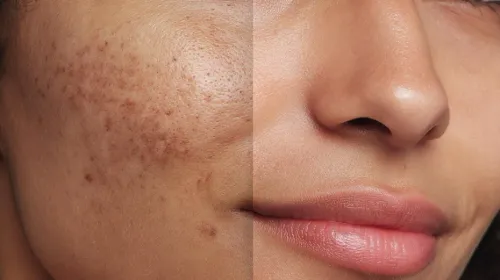
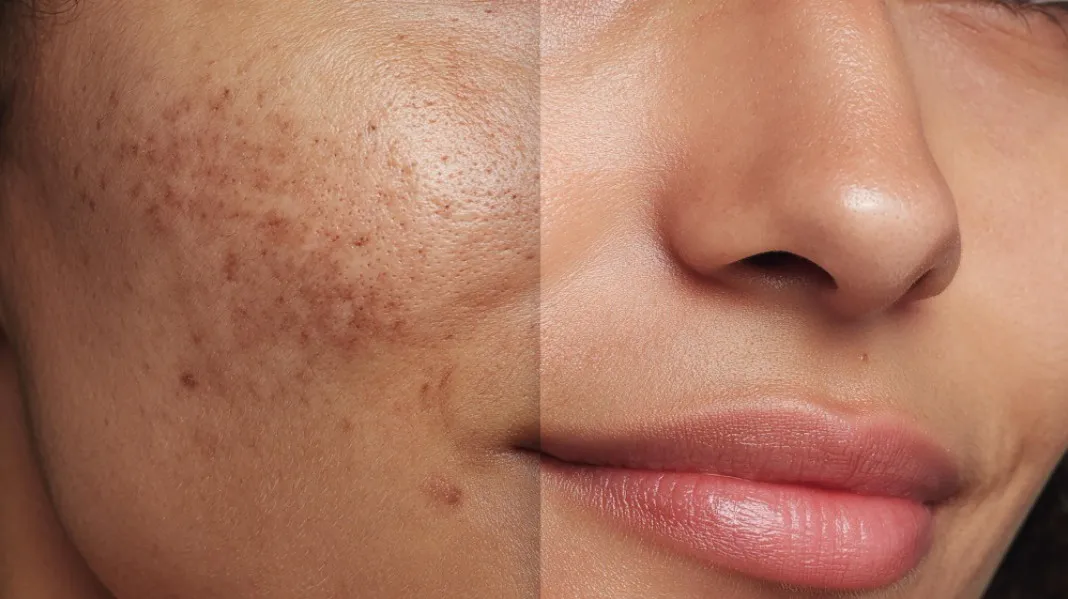
Uneven skin tone is one of the most common reasons people seek dermatological advice. Dark patches, sun spots, post-acne marks, and other forms of pigmentation can affect individuals of all ages and skin types. While many products promise quick results, successful Pigmentation Treatment in Baner begins with identifying the underlying cause rather than simply trying to lighten the affected area.
Pigmentation develops when melanin, the pigment responsible for skin colour, is produced unevenly or in excess. Several factors can contribute to this process, including sun exposure, hormonal influences, acne, skin inflammation, ageing, and certain medications.
Because pigmentation has many possible causes, self-diagnosis is often difficult. Two people with similar-looking dark patches may require completely different treatment approaches depending on the underlying condition.
Common pigmentation concerns include:
- Melasma
- Sun-induced pigmentation
- Post-inflammatory pigmentation
- Freckles
- Age-related pigmentation
- Uneven skin tone
A dermatologist begins by examining the pattern, colour, depth, and distribution of pigmentation. Medical history, current medications, skincare products, and lifestyle factors are also reviewed before recommending treatment.
One of the most important reasons to seek early evaluation is that some forms of pigmentation become more resistant to treatment when they have been present for a long time. Early intervention may help achieve better improvement while reducing the need for prolonged treatment.
Treatment recommendations vary according to the diagnosis. Depending on individual needs, a dermatologist may advise prescription topical medications, chemical peels, laser-based procedures, or other clinically appropriate therapies. Often, combining multiple approaches provides better long-term management than relying on a single treatment.
Daily sun protection remains one of the most essential parts of pigmentation management. Without consistent sunscreen use, even effective treatments may produce only temporary improvement.
Simple habits that support pigmentation management include:
- Applying broad-spectrum sunscreen every morning.
- Reapplying sunscreen during prolonged outdoor activities.
- Avoiding unnecessary sun exposure during peak hours.
- Following the prescribed skincare routine consistently.
- Avoiding harsh scrubs or unverified home remedies.
Another common mistake is frequently changing skincare products after seeing online recommendations. Constantly switching products may irritate the skin and sometimes worsen pigmentation instead of improving it.
Patients should also understand that pigmentation treatment requires patience. Since skin renewal occurs gradually, visible improvement often develops over several weeks or months depending on the condition being treated. Regular follow-up appointments allow the dermatologist to monitor progress and adjust treatment when necessary.
Choosing professional evaluation rather than relying solely on cosmetic products helps ensure that treatment targets the actual cause of pigmentation instead of only addressing its appearance.
If you are considering Pigmentation Treatment in Baner, a personalized dermatology consultation can help determine the most appropriate treatment strategy based on your skin type, medical history, and specific pigmentation pattern.
Dr Rajshree Patil provides individualized assessment for pigmentation disorders, helping patients understand their diagnosis and available treatment options through evidence-based dermatological care designed to support healthier, more even-looking skin over time.
Keywords