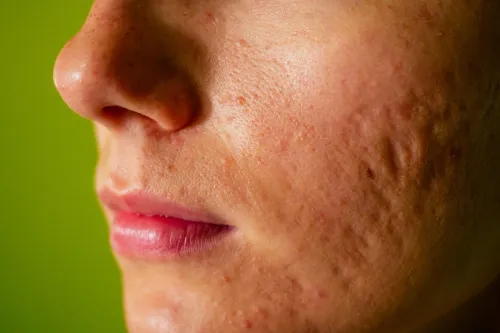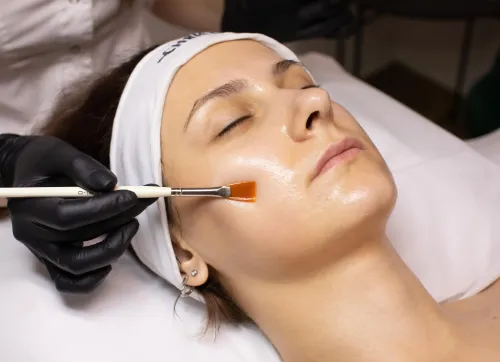

Dark patches, acne marks and uneven skin tone are often grouped together under the word pigmentation. Clinically, however, these concerns can have very different causes and may respond to very different treatments. For someone seeking Pigmentation treatment in Sanghvi, provider selection should therefore begin with one question: will the pigmentation be properly diagnosed before treatment is recommended?
This is particularly important because inappropriate treatment can irritate the skin and sometimes make pigmentation more noticeable.
Look for Diagnosis Before a Procedure Package
Pigmentation can be associated with:
- Sun exposure
- Melasma
- Previous acne
- Skin inflammation
- Irritation or injury
- Certain medications or medical factors
- Other dermatological conditions
The visible colour alone does not identify the cause.
A dermatologist should assess where the pigmentation occurs, how long it has been present, what makes it worse and whether symptoms such as itching or inflammation accompany it.
Be Cautious With One Treatment for All Pigmentation
There is no single procedure that is automatically best for every dark patch.
Depending on the diagnosis, management may involve sunscreen, topical treatment, oral treatment in selected circumstances, chemical peels, certain energy-based procedures or a combination.
Some pigmentation conditions can also recur even after successful improvement.
A clinic should therefore discuss control and maintenance rather than presenting treatment as a guaranteed permanent cure.
Ask About Your Skin Type
Pigmentation treatment requires particular attention in skin tones that can develop post-inflammatory hyperpigmentation.
Any procedure that causes inflammation has the potential to influence pigmentation, which makes correct treatment selection and settings important.
Ask why the recommended procedure is suitable for your skin and whether there is a risk of temporary darkening or irritation.
A patch test or conservative approach may sometimes be considered depending on the procedure and clinical circumstances.
Check Whether Sun Protection Is Part of the Plan
A pigmentation plan that ignores photoprotection is incomplete.
Sunlight can worsen many pigmentary concerns and undermine improvement from treatment.
The dermatologist may recommend broad-spectrum sunscreen and other practical sun-protection measures based on your lifestyle.
People who commute regularly through Pune or spend significant time outdoors should discuss how to maintain protection realistically throughout the day.
Discuss Your Existing Products
Bring a list or photographs of the skincare products you currently use.
Multiple fairness creams, exfoliating products, home remedies and unmonitored combinations can irritate the skin. In some cases, the products being used to remove pigmentation may themselves contribute to ongoing sensitivity.
A dermatologist can help simplify the routine and identify products that should be stopped or adjusted.
Understand How Progress Will Be Judged
Pigmentation often improves gradually.
Ask when the treatment response should be reviewed and whether photographs will be used to compare changes.
This can prevent the common mistake of changing treatments every few weeks because improvement does not seem fast enough.
Consistency is often important, particularly when topical treatment and sun protection form part of the plan.
Know the Signs of a More Reliable Consultation
A useful pigmentation consultation should explain the likely diagnosis, contributing factors, treatment options, limitations and expected duration.
It should also address recurrence where relevant.
At Dr Rajshree Patil-Best Dermatologist, patients with uneven pigmentation can be assessed before topical, procedural or combination treatment is considered.
For people in Sanghvi and surrounding Pune areas in Maharashtra, selecting pigmentation care should not revolve around whichever peel or laser appears most powerful. A better indicator is whether the clinic understands why the pigmentation developed and builds the treatment around that diagnosis. Correct identification, conservative treatment selection, daily photoprotection and consistent follow-up can all play important roles in achieving safer, more sustainable improvement.
Keywords