Choosing a dermatologist can be straightforward when you need treatment for one clearly identified condition. It becomes more complicated when you are unsure whether your concern is medical, cosmetic or a combination of both. When evaluating a Skin Clinic in Baner, looking beyond a long treatment menu can help you choose care that is appropriate for your actual skin, hair or aesthetic concern.
A useful clinic experience should begin with assessment, not with assuming which procedure you need.
1. Check Whether Your Concern Is Properly Evaluated
Acne, pigmentation, hair loss and facial redness can each have multiple causes.
For example, two people with dark facial patches may not have the same condition. Similarly, hair shedding after an illness is different from patterned hair loss.
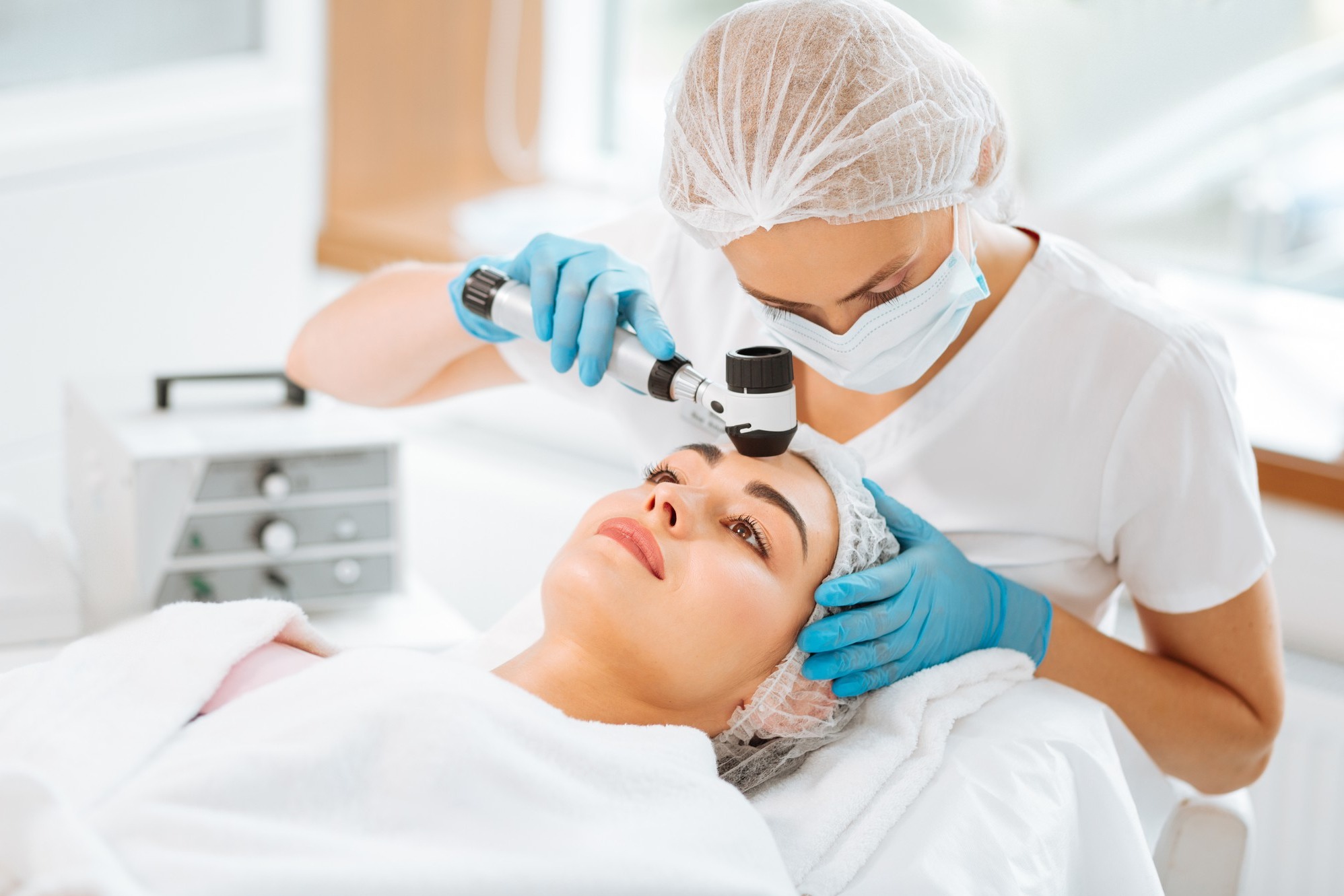
A dermatologist should first understand symptoms, duration, previous treatments, medical history and relevant lifestyle factors before developing a plan.
This diagnostic stage is particularly important when a problem has persisted despite trying multiple products.
2. Look for Both Medical and Procedural Perspective
Some concerns respond primarily to medication and home care. Others may benefit from procedures. Many require a combination.
A clinic that provides aesthetic services should still be able to explain when a procedure is unnecessary.
For acne, controlling active breakouts may take priority before scar procedures. For pigmentation, sunscreen and medical management may be more important than immediately starting laser treatment.
The ability to say not yet to a procedure can be as meaningful as the ability to perform it.
3. Ask How Treatment Is Personalised
A treatment should account for skin type, sensitivity, medical conditions and previous reactions.
For procedures, individual planning may include the choice of device, treatment intensity, session spacing and aftercare.
For home routines, personalised care can also prevent the common problem of using too many active ingredients at once.
A long routine is not necessarily a better routine.
4. Understand Expected Results
Be cautious with claims suggesting permanent, immediate or guaranteed correction of complex skin concerns.
Acne, melasma, hair loss and acne scarring can require ongoing management. Cosmetic procedures also have limitations.
A useful consultation should explain what degree of improvement may reasonably be expected, whether maintenance may be needed and what factors can influence the outcome.
5. Discuss Safety Before Procedures
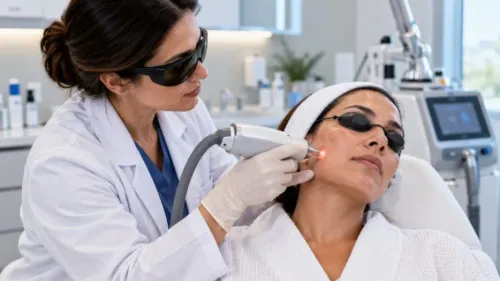
Before a peel, laser, injectable or other procedure, ask about preparation and aftercare.
Patients should disclose allergies, medications, pregnancy where relevant, previous procedures and any history of unusual reactions.
For aesthetic injections and energy-based procedures, professional assessment is particularly important because treatment affects living tissue and complications can occur.
6. Evaluate Follow-Up Care
Dermatology treatment often evolves.
Acne medication may need adjustment. Pigmentation may respond gradually. Hair-loss treatment may require comparison over several months.
Follow-up therefore allows the dermatologist to evaluate response rather than leaving patients to decide on their own whether treatment is working.
It is useful to know when a review is recommended and what symptoms should prompt an earlier appointment.
Making Your First Visit More Useful
Bring information about products and medicines you currently use. If a skin problem changes intermittently, photographs taken during a flare can sometimes help provide context.
Avoid starting several new products immediately before the appointment because this can make it harder to identify what is causing irritation.
At Dr Rajshree Patil-Best Dermatologist, patients seeking dermatological or aesthetic care can begin with an evaluation of their primary concern before treatment options are discussed.
For people searching in Baner, Pune, Maharashtra, choosing a skin clinic should ultimately come down to whether diagnosis, suitability, safety and realistic expectations are treated seriously. The right clinic is not simply the one offering the greatest number of procedures; it is one where the treatment plan makes sense for the condition being treated.
Keywords