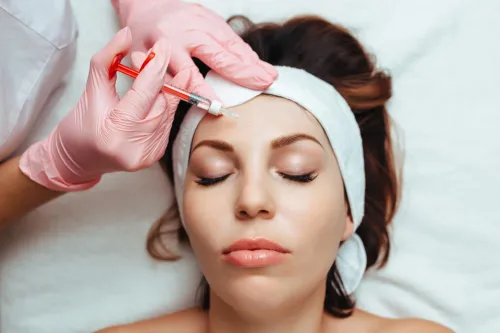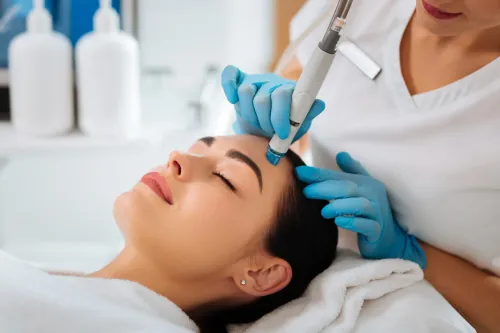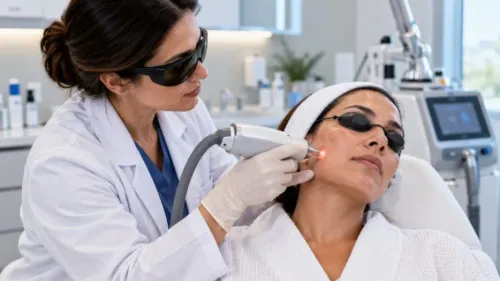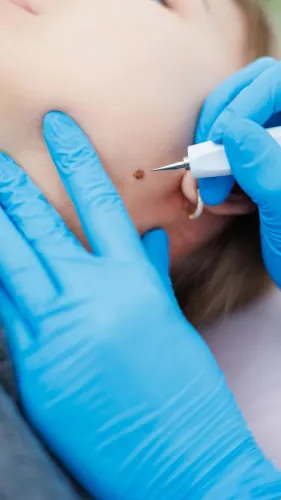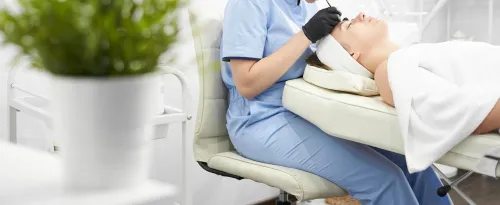
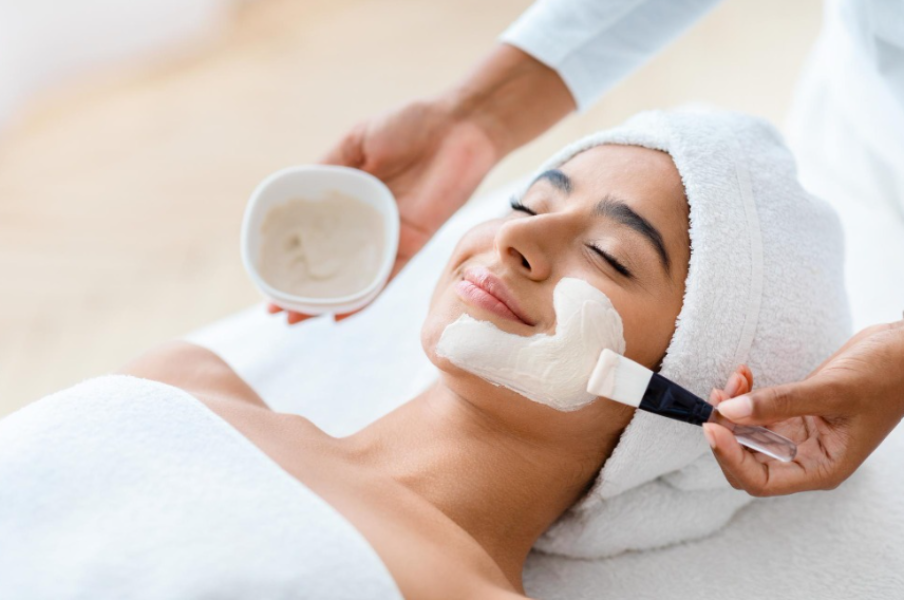
Skin that feels rough, looks dull or has an uneven surface can lead people to explore exfoliation-based treatments. Skin Polishing in Aundh is commonly considered by people who want a smoother and fresher-looking skin surface, but it is important to know what polishing can realistically address.
Not every concern described as dull skin comes from the same cause. Dehydration, sun exposure, accumulated surface cells, acne, pigmentation and inappropriate skincare can all affect appearance.
What Is Skin Polishing?
Skin polishing generally refers to a controlled exfoliation or resurfacing procedure designed to remove some of the outermost dead skin cells.
Depending on the technique being used, treatment may help improve surface smoothness and temporarily enhance the appearance of dull or uneven-textured skin.
It is primarily a surface-focused procedure.
That distinction is important because deeper pigmentation, significant acne scars and active inflammatory conditions generally require a different treatment strategy.
When Can Skin Polishing Be Considered?
Someone may discuss polishing with a dermatologist when the main concerns include:
- Rough surface texture
- Mild superficial dullness
- Uneven-looking skin
- Accumulation of surface dead cells
- General skin maintenance
The dermatologist should first determine whether exfoliation is suitable for the person's skin type and current condition.
For example, a person experiencing active irritation may need to restore the skin barrier rather than undergo additional exfoliation.
Skin Polishing or Chemical Peel?
Both approaches can involve exfoliation, but they are not interchangeable.
Skin polishing may rely on mechanical or device-assisted resurfacing, depending on the technique. Chemical peels use specific chemical agents to produce controlled exfoliation at a selected depth.
The appropriate choice depends on the concern being addressed.
Someone seeking improvement in simple surface roughness may have different requirements from someone with acne-related pigmentation. The second patient may benefit from a carefully selected chemical peel or another pigmentation treatment rather than polishing alone.
What About Acne Scars?
This is an area where expectations need to be realistic.
True acne scars represent structural changes in the skin. Superficial polishing may improve the way the skin surface feels, but it is generally not sufficient for significant depressed acne scars.
Scar type needs to be assessed first. Depending on the pattern, dermatologists may consider procedures such as microneedling, subcision, selected laser treatments or other scar-specific approaches.
Using a mild resurfacing treatment for a deeper structural problem can result in disappointment even when the procedure itself has been performed correctly.
Avoid the Over-Exfoliation Cycle
People who want brighter skin sometimes combine scrubs, acids, retinoids and professional exfoliation without allowing the skin enough time to recover.
This can damage the skin barrier and lead to burning, sensitivity, redness and sometimes increased pigmentation.
Before professional polishing, tell the dermatologist about active skincare products, particularly exfoliating acids, retinoids and recent procedures.
After treatment, follow the recommended routine rather than immediately returning to aggressive exfoliation.
What Should You Ask at a Consultation?
Instead of asking only how many polishing sessions you need, ask what is causing the concern you want to improve.
Useful questions include whether polishing is appropriate for your skin, what improvement is realistic, how much recovery is expected and whether another treatment would address the problem more effectively.
At Dr Rajshree Patil-Best Dermatologist, patients can have their skin concerns evaluated before deciding whether polishing belongs in their treatment plan.
For people in Aundh and nearby Pune neighbourhoods in Maharashtra, skin polishing can be a useful cosmetic option when the concern is genuinely surface-related. The best results come from matching the procedure to the problem rather than treating every form of dullness, pigmentation or unevenness with the same exfoliation technique.
Keywords