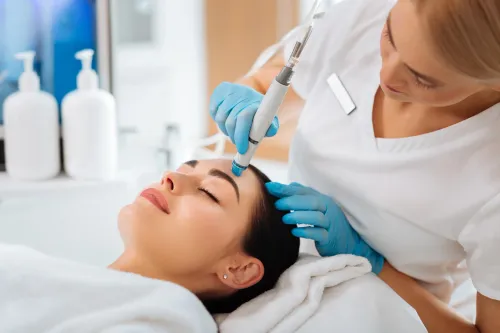
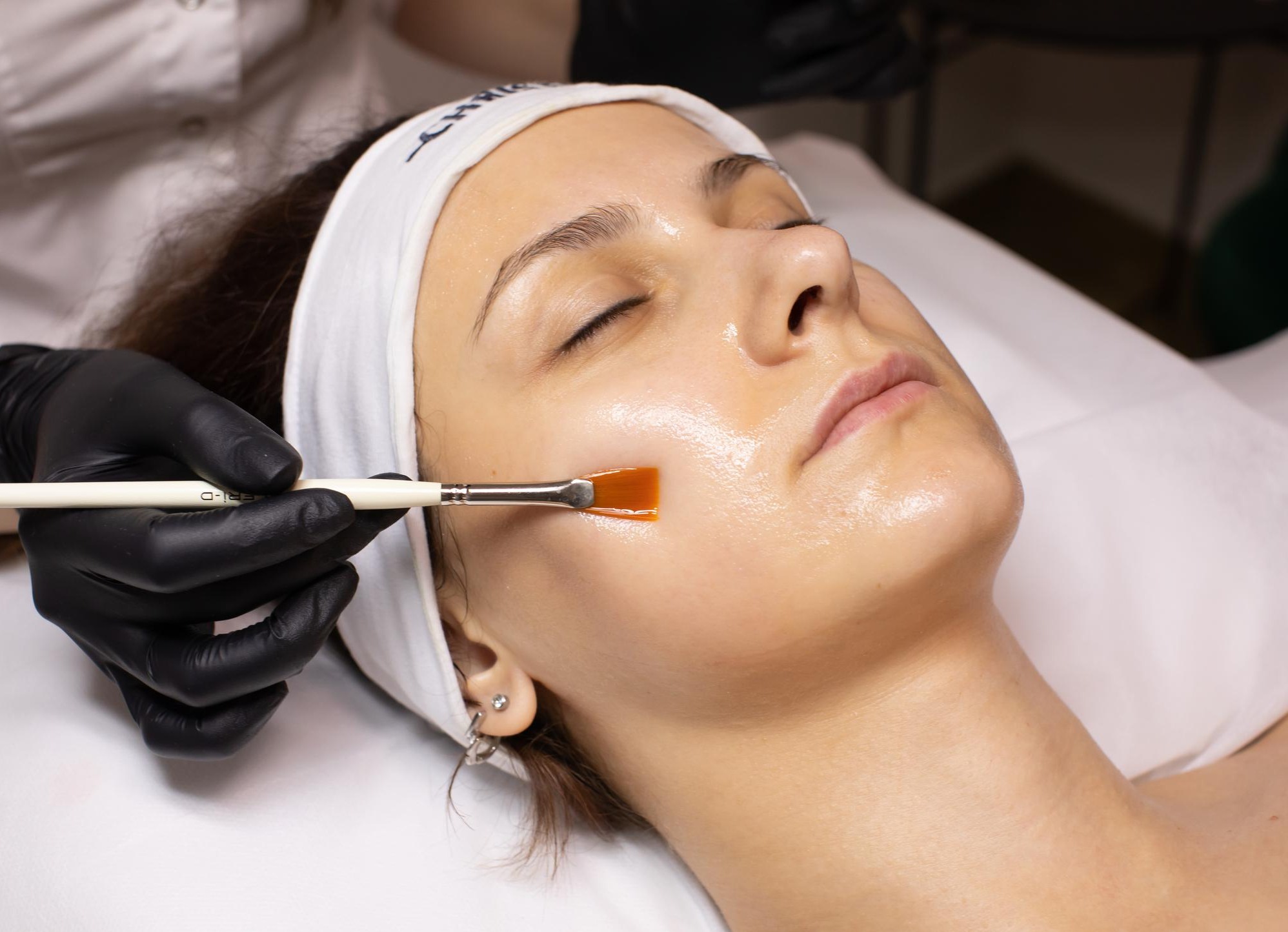
Chemical peels are used in dermatology to create controlled exfoliation using carefully selected chemical agents. They may be considered for concerns such as certain types of pigmentation, acne-related marks, superficial texture irregularities and dullness. However, undergoing Chemical Peeling Treatment in Aundh without considering skin condition, peel strength and preparation can lead to unnecessary irritation.
Readiness matters just as much as the peel itself.
A Peel Should Match a Defined Skin Concern
The term chemical peel describes a category of treatments rather than one standard procedure.
Different peeling agents and concentrations affect the skin differently. The dermatologist selects an approach based on the patient's concern, skin characteristics and desired treatment depth.
A mild superficial peel chosen for one person may be inappropriate for another.
Before treatment, the underlying concern should therefore be identified clearly.
Signs Your Skin May Need Assessment Before Peeling
A dermatologist may postpone or modify treatment if the skin is currently:
- Irritated or unusually sensitive
- Sunburned
- Experiencing active dermatitis
- Injured or infected
- Recovering from another intensive procedure
Recent use of certain prescription or exfoliating products may also influence treatment planning.
The goal is controlled treatment of healthy-enough skin rather than applying additional irritation to an already compromised barrier.
Review Your Current Skincare Routine
Many people use retinoids, exfoliating acids, scrubs and brightening products at home.
These products can be useful when selected appropriately, but combining them indiscriminately with professional peels can increase dryness and irritation.
Tell your dermatologist exactly what you use, including products that seem ordinary or non-prescription.
You may receive instructions about temporarily adjusting certain products before or after treatment.
Be Realistic About Pigmentation
Chemical peels can be useful components of some pigmentation plans, but pigmentation has multiple causes.
For melasma and other recurrent pigmentary concerns, daily photoprotection and ongoing medical management can be as important as the procedure itself.
A peel should not be viewed as permission to neglect sunscreen afterward.
In fact, protecting recently treated skin from unnecessary sun exposure is particularly important.
Understand What Recovery May Look Like
Recovery depends on the type and depth of peel.
Some superficial treatments may cause limited visible peeling, while others can produce noticeable dryness, flaking, redness or temporary sensitivity.
Patients should avoid picking at peeling skin.
Pulling flakes away prematurely can irritate the surface and potentially contribute to unwanted pigmentation.
Follow the recommended cleansing, moisturising and sun-protection routine instead.
When Is It Better to Wait?
Consider postponing elective treatment if you cannot follow aftercare properly.
For example, significant outdoor sun exposure immediately after certain procedures may make timing less convenient. Likewise, scheduling an unfamiliar peel immediately before an important event leaves little room for unexpected redness or peeling.
Planning the treatment around your skin and schedule is more sensible than trying to force the procedure into a particular date.
What Indicates a Responsible Treatment Plan?
A proper consultation should involve examination of the skin, discussion of the concern being treated and explanation of expected improvement.
You should know what type of peel is being considered, why it was selected and what aftercare will be required.
At Dr Rajshree Patil-Best Dermatologist, patients considering chemical peels can have their skin assessed before a treatment protocol is chosen.
For residents of Aundh and nearby areas of Pune, Maharashtra, chemical peeling can be a useful dermatologist-directed option when appropriately selected. Being ready means more than wanting brighter skin. It means having a clear indication for treatment, stable enough skin, realistic expectations and the ability to follow the recommended post-procedure care.
Keywords