A first dermatology visit is usually a diagnostic conversation and examination before it becomes a treatment session. You will know what to bring, what the doctor may examine or test, and how prescriptions, procedures, and follow-up decisions are made before you leave.
Key takeaways
- Bring medication lists, prior reports, and clear photos of changing symptoms.
- Expect questions about onset, triggers, products, illnesses, allergies, and family history.
- The examination may include your skin, scalp, hair, nails, and affected areas.
- Treatment can begin with advice when testing or observation is safer than a procedure.
What happens from registration to the first questions?
Registration begins with your name, age, contact details, and the reason for booking. During a skin doctor in Aundh first visit, the clinician then takes a structured history before suggesting treatment.
1. Describe the main concern and when it began. Say whether it is spreading or changing, and whether it itches, burns, bleeds, or hurts. Explain previous diagnoses, treatments, and what happened after each one.
2. Share every current prescription and over-the-counter medicine, Ayurvedic or herbal product, skincare product, and haircare product. Mention allergies, medical conditions, pregnancy or breastfeeding, menstrual or hormonal history when relevant, and family history. A written list or clear label photographs help with acne, rashes, hair loss, pigmentation, and reactions after a product.
3. For hair loss, the skin doctor in Aundh may ask about stress, recent illness, weight change, diet, and medicines. The assessment should distinguish shedding, follicle miniaturisation, and scarring rather than jumping straight to a shampoo recommendation.
4. Show dated photographs of a rash, swelling, shedding pattern, or lesion at an earlier stage. These images reveal changes that may not be visible on examination day. A phone album can be more useful than memory.
How should you prepare and what should you bring?
For a dermatologist appointment in Aundh, bring enough information to show what changed, what you used, and what happened afterward.
1. Pack current prescriptions, medicine strips, or clear photographs of every label. Add photographs of your skincare and haircare products, prior reports, pathology results, and written allergy details.
2. Bring dated photographs showing how the rash, swelling, acne, hair shedding, pigmentation, or lesion changed. Include images from before treatment and after any product or medicine was started.
3. Arrive with clean skin where possible. Do not cover the affected area with makeup or concealer, and do not apply a new active product immediately before the visit.
4. Expose the affected body site as far as practical. Wear clothing that makes the area accessible, such as loose sleeves for an arm concern or easily adjustable clothing for a back or leg examination.
5. Do not pick, squeeze, scrub, or aggressively treat the area beforehand; these actions can alter the findings. Do not stop a prescribed medicine without medical advice.
6. For an intimate examination, request a chaperone. Ask which clothing must be removed before the examination begins, and ask the doctor to explain each step.
What does the physical examination involve?
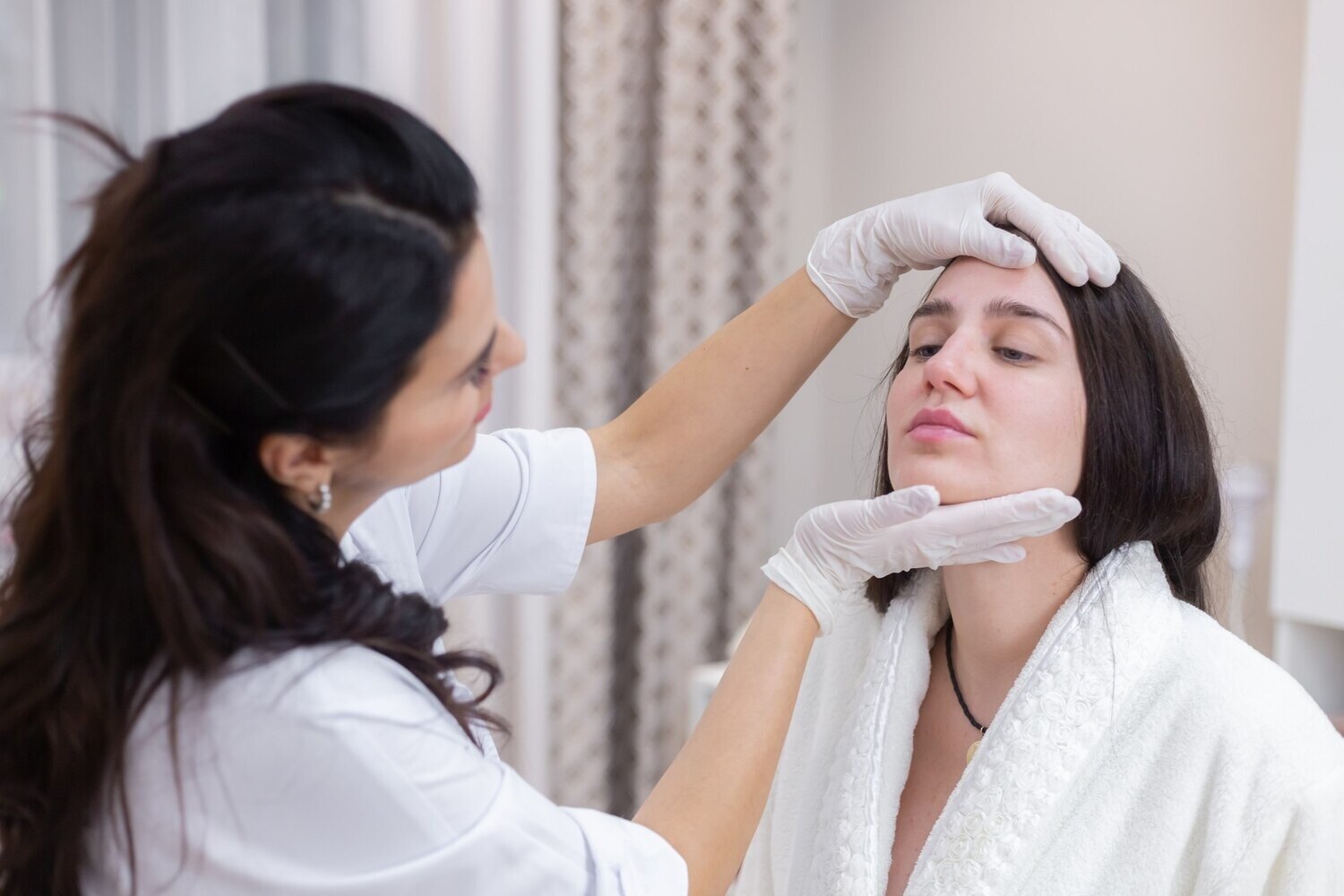
After history-taking, the clinician examines the affected area in good light and checks whether the pattern fits the symptoms you described.
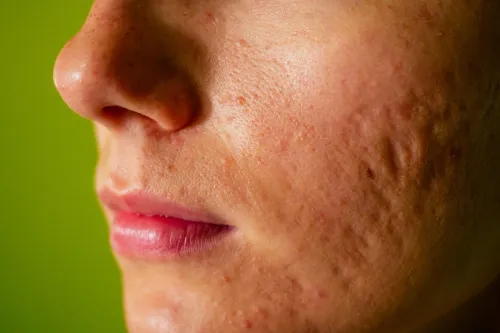
1. The doctor visually assesses colour, scale, swelling, borders, distribution, surface changes, acne lesions, scars, pigmentation, and signs of infection. They may examine the scalp, hair density and shafts, nails, mucous membranes, or other skin sites because conditions can affect more than the area you noticed.
2. The clinician may gently palpate a lump, plaque, mole, or tender patch to assess texture, depth, warmth, and pain. This can reveal information that looking alone misses.
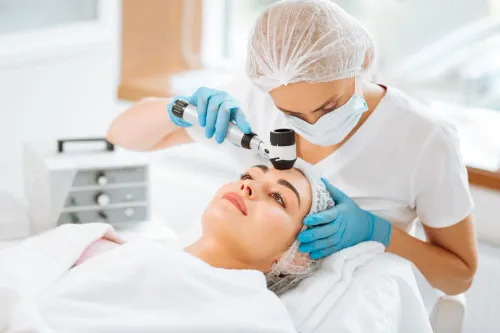
3. For a mole or pigmented lesion, a dermatoscope provides magnified views using polarized or non-polarized light. The examination is non-invasive, but dermoscopy does not replace a biopsy when the lesion remains suspicious.
A skin specialist consultation in Aundh can produce a clinical diagnosis of acne, eczema, psoriasis, or superficial fungal infection without automatic blood tests or biopsy. Tests are selected when the appearance, treatment history, or possible alternative diagnoses makes them useful.
Ask the doctor to explain each examination step, including any request to change clothing or examine an intimate area.
When are tests needed, and what does each one clarify?
A skin clinic in Aundh orders tests when the appearance, treatment history, or possible alternative diagnoses make a result useful. Acne, eczema, psoriasis, and many superficial fungal infections often need no testing because examination provides enough information.
1. A skin scraping examined by fungal microscopy checks for superficial fungal elements. If infection is suspected, bacterial culture identifies the organism and helps guide antibiotic selection.
2. Targeted blood tests investigate contributors such as anaemia, thyroid disease, nutrient deficiency, or another systemic problem when your history or examination points that way.
3. Patch testing places suspected allergens on your back for about 48 hours. The patches are removed and the skin is read again because allergic contact dermatitis reactions can appear later.
A biopsy removes a small sample after consent, skin cleansing, and local anaesthetic. Stitches or a dressing may follow, and pathology results take time because the specimen must be processed and examined rather than reported during the appointment.
For hair loss, testing may investigate nutritional, hormonal, or systemic contributors. Scalp and hair examination distinguishes excessive shedding from follicle miniaturisation or scarring, preventing a shampoo recommendation from replacing a proper assessment.
How is the diagnosis turned into a treatment plan?
1. After examination and test results, the skin doctor in Aundh explains the working diagnosis, what supports it, and what remains uncertain. No prescription is guaranteed: the plan may be reassurance, irritant avoidance, a basic skincare routine, topical treatment, oral medicine, a test first, or observation.
2. You discuss options, expected improvement time, risks, alternatives, practical costs, and the review date or condition for returning. For acne, the plan reflects lesion type, severity, scarring, pigmentation, earlier treatment, pregnancy potential, and irritating products. Antibiotics form part of a complete plan, usually for a limited duration alongside topical therapy, not as its substitute.
3. Disclose pregnancy, breastfeeding, drug allergies, and every prescription, over-the-counter, Ayurvedic, or herbal medicine. Oral isotretinoin is highly teratogenic, so prescribing it requires strict pregnancy-prevention controls. The doctor records or explains the dose, application frequency, missed-dose instruction, expected irritation, and warning symptoms.
4. Before leaving, confirm when to contact the clinic: severe swelling, blistering, breathing difficulty, widespread rash, intense pain, or other specified reactions require prompt advice. Confirm the follow-up date, or the exact trigger for review, such as worsening, no improvement within the stated timeframe, or a pending test result.
Why might a first visit end with advice instead of a procedure?
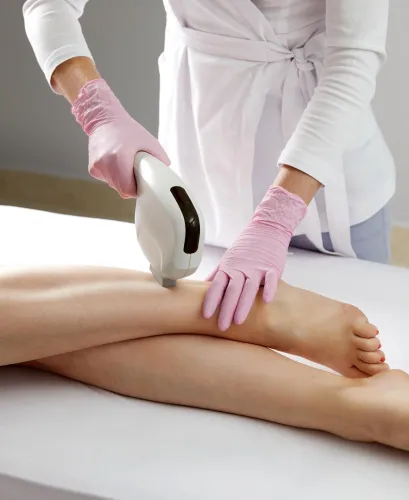
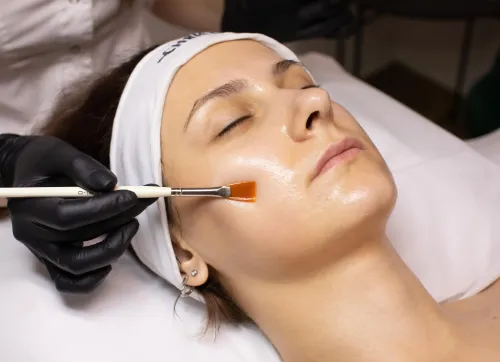
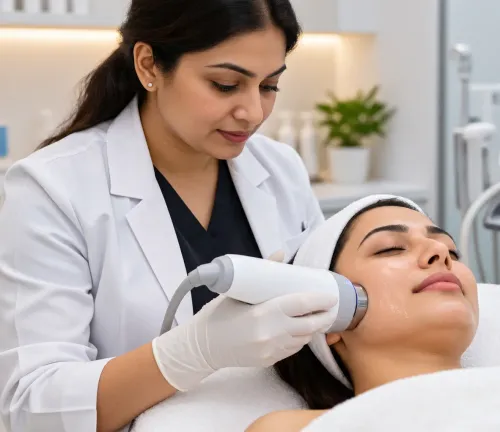
A first visit may end with advice because a consultation decides whether a procedure visit is appropriate. The doctor may assess laser treatment, a peel, polishing, mole removal, hair reduction, injectables, or another cosmetic option without performing it that day.
| Consultation | Examines eligibility, risks, alternatives, and preparation | Use before choosing treatment |
|---|---|---|
| Procedure visit | Performs an approved treatment after consent | Use after eligibility is confirmed |
Before recommending treatment, the doctor needs to know about skin sensitivity, tanning, active infection, an acne or eczema flare, raised-scar tendency, isotretinoin or other medicines, and previous procedures. Discuss expected benefit, alternatives, downtime, adverse effects, likely session count, and post-inflammatory pigmentation, which can worsen after procedures in darker skin types. Procedure-specific consent follows this assessment.
During a skin specialist consultation in Aundh or dermatologist appointment in Aundh, ask Dr Rajshree Patil-Best Dermatologist in Aundh,Pune which findings support treatment, which rules exclude it, who performs it, and what follow-up the skin clinic in Aundh includes. Verify the clinic’s exact eligibility rules rather than relying on an online treatment description.
Before leaving, ask:
- What is the diagnosis and plan?
- When will test results arrive?
- Which warning signs need urgent contact?
- What is the follow-up date?
Frequently asked questions
What happens during a skin doctor in Aundh first visit?
Registration is followed by a structured history, physical examination, discussion of possible diagnoses, and a treatment plan.
How should I prepare for a dermatologist appointment in Aundh?
Bring your current medicines, skincare products, previous reports, allergy details, and photographs showing how the problem changed.
What does a skin specialist consultation in Aundh include?
The clinician examines the affected skin and may assess your scalp, hair, nails, mouth, or other areas linked to your symptoms.
When are tests needed during a skin clinic in Aundh visit?
Tests are ordered when the examination cannot distinguish between likely causes or when confirmation will change treatment.
Why might a first visit end without a procedure?
The doctor may need to observe the condition, review test results, or start medication and skincare advice before choosing a procedure.
Keywords