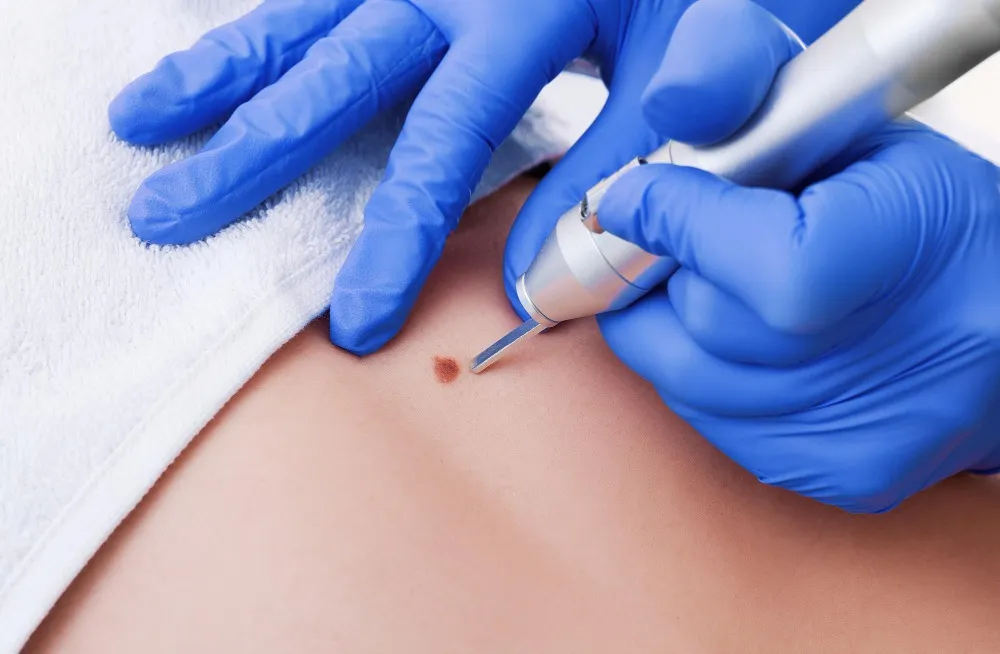
Moles are extremely common and, in many cases, harmless. They can appear during childhood or adulthood and vary considerably in colour, shape, size, and texture. Some remain unchanged for years, while others become bothersome because of their position or appearance.
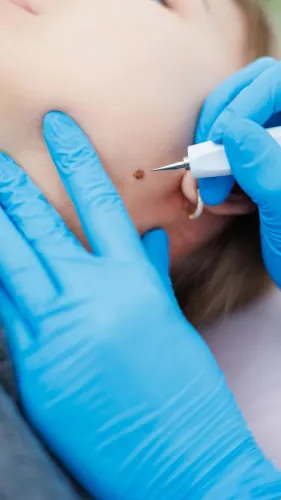
Before considering removal, however, it is important to understand what type of mole is present. Visiting a Mole Removal Treatment Clinic in Sanghvi allows the lesion to be examined before deciding whether removal is appropriate.
Why Do People Have Moles Removed?
People consider mole removal for different reasons.
Common concerns include:
- A mole repeatedly rubbing against clothing
- Irritation during shaving
- A raised mole catching on jewellery
- Cosmetic concerns
- Frequent accidental scratching
- Changes noticed in an existing mole
The reason for removal matters because a dermatologist may approach a stable cosmetic mole differently from a changing skin lesion.
Not Every Dark Spot Is a Mole
People sometimes use mole to describe almost any small dark growth.
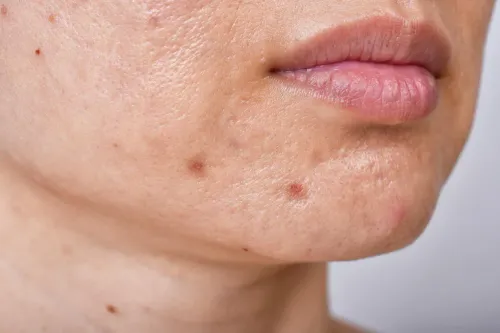
However, skin tags, seborrhoeic keratoses, pigmentation, warts, and several other lesions may look similar to an untrained eye.
Correct identification matters because treatment methods differ.
Trying acids, cutting tools, burning products, or internet remedies without knowing what the lesion actually is can cause burns, infection, bleeding, or scarring.
Changes That Deserve Medical Attention
A mole that has remained stable is different from one showing noticeable changes.
Arrange a dermatological assessment if a mole:
- Changes noticeably in size
- Develops irregular borders
- Shows multiple or changing colours
- Starts bleeding without obvious injury
- Becomes persistently itchy or painful
- Develops an unusual surface
- Changes significantly compared with surrounding moles
These signs do not automatically indicate a serious condition, but they are reasons to have the lesion examined rather than removing it cosmetically without evaluation.
How Is a Mole Assessed?
A dermatologist generally examines the mole's appearance, dimensions, border, colour, surface, and history.
Patients may be asked when they first noticed it and whether there have been recent changes.
If the lesion has suspicious characteristics, the dermatologist may recommend additional evaluation rather than routine cosmetic removal.
This distinction is important. The goal should always be appropriate diagnosis first and removal second.
How Can Moles Be Removed?
There is no single method suitable for every mole.
Depending on its characteristics, location, depth, and clinical assessment, removal may involve a procedure such as excision or another medically appropriate technique.
Patients frequently ask whether laser treatment can remove every mole. The answer is no. The appropriate method depends on what the lesion is and whether tissue assessment is necessary.
Will Mole Removal Leave a Mark?
Any procedure that disrupts the skin has some possibility of leaving a mark.
The eventual appearance can depend on:
- Mole size and depth
- Treatment technique
- Body location
- Individual healing response
- Tendency to develop raised scars
- Wound care
- Sun exposure during healing
Rather than expecting completely mark-free removal, patients should discuss likely cosmetic outcomes before treatment.
Why Home Mole Removal Can Be Risky
DIY removal products can be particularly problematic because they bypass diagnosis.
Using concentrated chemicals may damage normal skin surrounding the lesion. Cutting a raised mole at home introduces risks of bleeding and infection.
More importantly, destroying an unexplained changing lesion can delay proper medical assessment.
What Happens After Removal?
Aftercare depends on the technique used.
Patients may receive instructions regarding wound cleaning, dressing, prescribed topical medication, activity restrictions, and sun protection.
Picking at the healing area should generally be avoided because repeated trauma may interfere with healing.
At the clinic of Dr Rajshree Patil, mole-related concerns can be assessed clinically before the suitability and method of removal are considered.
For anyone in Sanghvi thinking about mole removal, the safest starting point is simple: establish exactly what the skin lesion is before deciding how it should be treated.
Keywords