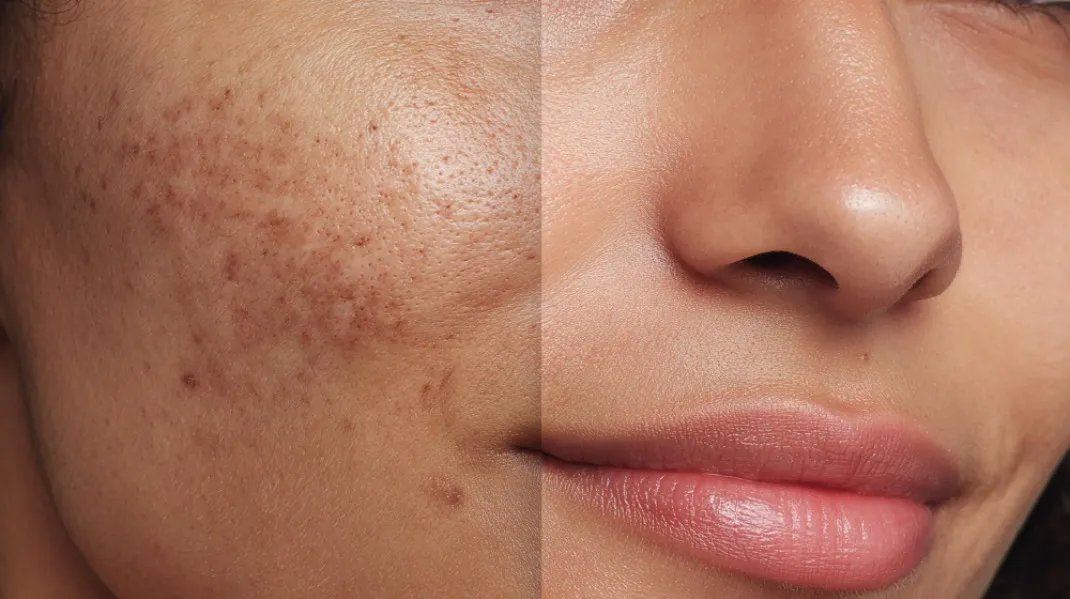
Dark patches, uneven tone, post-acne marks, tanning, and facial pigmentation are frequently grouped under one term: pigmentation. This can be misleading because pigmentation has many causes, depths, and patterns.
People searching for Pigmentation Treatment in Pune may achieve a clearer treatment plan when the cause of discoloration is identified before creams or procedures are selected.
Why Does Pigmentation Develop?
Melanin gives skin much of its natural colour.
When melanin production or distribution changes, certain areas may appear darker.
Triggers can include:
- Sun exposure
- Acne
- Skin inflammation
- Hormonal influences
- Skin injury
- Irritating products
- Certain medications
- Genetic factors
Because the triggers differ, treatment also differs.
Post-Acne Marks Need a Different Approach
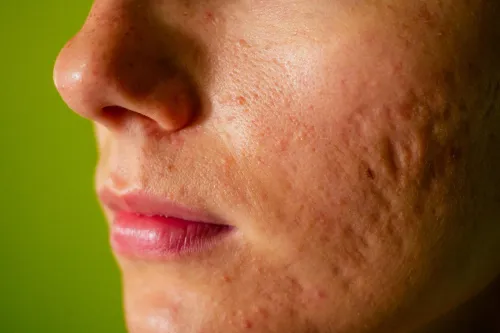
After an inflamed acne lesion heals, a flat dark mark may remain.
This is commonly called post-inflammatory hyperpigmentation.
Preventing new acne is important because treating existing marks while new breakouts continue can create a repeating cycle.
Management may therefore involve both acne control and pigmentation care.
Melasma Can Be Persistent
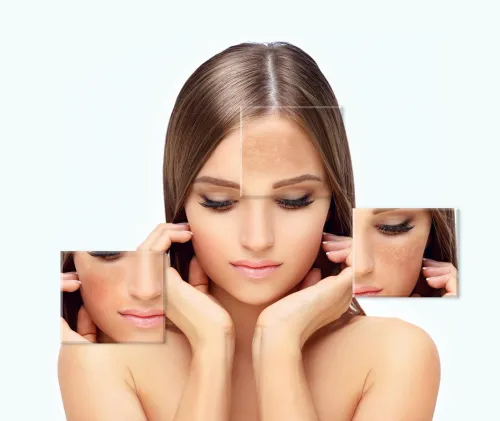
Melasma commonly causes symmetrical areas of facial pigmentation and can be influenced by several factors.
Sunlight is an important trigger, and visible light may also be relevant for some patients.
Treatment often requires a longer-term strategy rather than a one-time procedure.
This may involve dermatologist-selected topical care, strict photoprotection, and carefully selected procedures where appropriate.
Why Random Fairness Products Can Backfire
When pigmentation becomes frustrating, people sometimes begin layering multiple brightening products.
This can irritate the skin barrier.
Irritation itself may worsen pigmentation in susceptible individuals, particularly when potent active ingredients are combined without guidance.
Products containing inappropriate steroid combinations are another concern and should not be used casually for facial pigmentation.
Creams Versus Procedures
Neither option is universally superior.
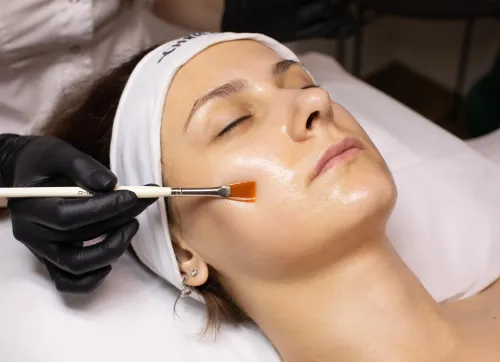
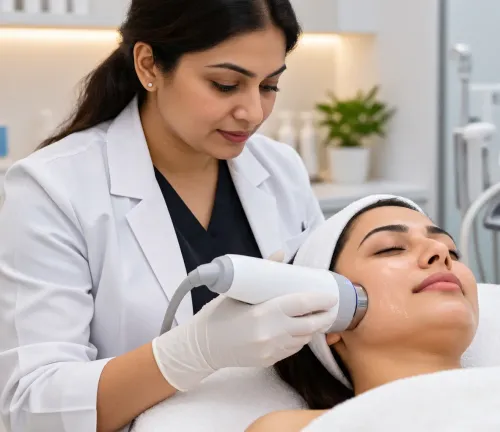
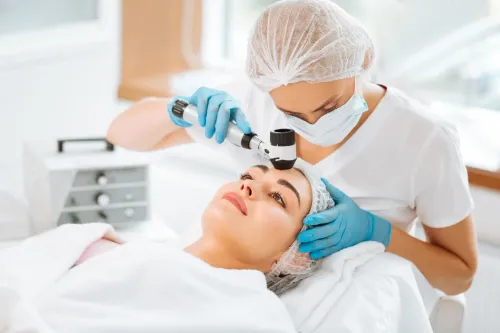
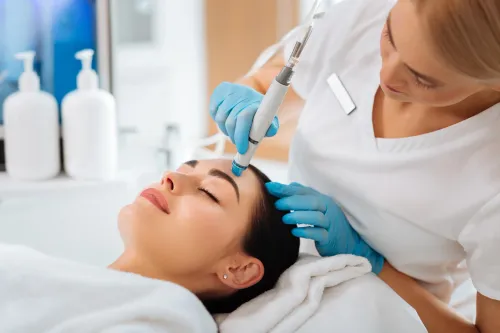
Topical treatment may be useful for some forms of pigmentation, while chemical peels, lasers, or other procedures may be considered in selected situations.
The decision depends on:
- Pigmentation type
- Depth
- Skin sensitivity
- Previous treatment
- Trigger factors
- Risk of post-inflammatory pigmentation
- Patient expectations
Procedures should complement an appropriate treatment strategy rather than substitute for diagnosis.
Sunscreen Is Part of Pigmentation Management
Treatment without adequate sun protection can be counterproductive.
Regular broad-spectrum sunscreen helps reduce ultraviolet exposure that may contribute to darkening.
People spending significant time outdoors in Pune may also benefit from physical protection such as shade, hats, or umbrellas when practical.
Sunscreen needs to be used consistently rather than only on treatment days.
Why Pigmentation Sometimes Returns
Recurrence does not always mean a treatment has failed.
Some pigmentation disorders have ongoing triggers. Hormonal influences, sunlight, inflammation, and individual skin tendencies may continue even after visible improvement.
Maintenance care may therefore be necessary.
This should be discussed before treatment so expectations remain realistic.
A Better Way to Compare Pigmentation Treatments
Instead of asking, Which is the strongest pigmentation treatment?, ask:
- What type of pigmentation do I have?
- What is likely triggering it?
- Is it superficial or deeper?
- Do I need medical treatment, a procedure, or both?
- How can recurrence be reduced?
- Which skincare products should I avoid?
These questions lead to more personalised decisions.
At the practice of Dr Rajshree Patil, pigmentation concerns can be assessed before a treatment plan is selected.
For patients in Pune, successful pigmentation management is rarely about finding one powerful cream or procedure. It is about identifying the pigmentation pattern, controlling triggers, protecting the skin from further exposure, and choosing treatments that suit the individual's skin.
Keywords