Finding extra strands on a pillow, shower drain, or comb can quickly become worrying. The first reaction is often to buy an anti-hair-fall shampoo, serum, supplement, or oil. Yet hair loss has many possible causes, and products selected without understanding the underlying problem may not address it.
Effective Hair Loss Treatment in Baner therefore starts with determining what type of hair loss is occurring.
Hair Fall and Hair Loss Are Not Always the Same
Some daily shedding is normal because hair continuously cycles through growth, transition, and resting phases.
The concern becomes more significant when someone notices:
- Increased shedding over several weeks
- Visible thinning
- A widening part
- Receding areas
- Patchy hair loss
- Reduced ponytail volume
- Scalp symptoms
- Progressive changes in hair density
The pattern often provides useful clues.
Common Reasons for Increased Hair Shedding
Hair loss may be influenced by multiple factors, including:
- Genetic pattern hair loss
- Significant physical or emotional stress
- Recent illness
- Nutritional deficiencies
- Thyroid-related problems
- Hormonal changes
- Certain medications
- Rapid weight loss
- Scalp disorders
- Autoimmune conditions
- Tight hairstyles or repeated traction
Sometimes more than one factor is present.
Why Diagnosis Changes Treatment
Consider two people experiencing increased shedding.
One develops diffuse shedding a few months after a major illness. Another notices gradually increasing thinning in a characteristic pattern over several years.
Although both describe hair fall, their conditions may require different approaches.
Using identical treatment for both simply because the symptom sounds similar would overlook the cause.
What Happens During Hair Evaluation?
A dermatologist may examine the scalp, hair density, distribution of thinning, hair shaft condition, and signs of inflammation or scaling.
Medical history can also be important.
Patients may be asked about:
- Duration of hair loss
- Family history
- Recent illness
- Stress
- Diet
- Weight changes
- Menstrual or hormonal history where relevant
- Medications
- Haircare practices
Selected investigations may be considered when the history suggests an underlying medical or nutritional factor.
Do Hair Supplements Work for Everyone?
Not necessarily.
Supplements can be useful when a relevant deficiency exists or when clinically indicated. Taking multiple supplements without assessment does not guarantee improved hair growth and may result in unnecessary intake.
Similarly, oils can help condition the hair shaft but should not automatically be expected to correct every form of hair loss at the follicle level.
What About PRP and Other Procedures?
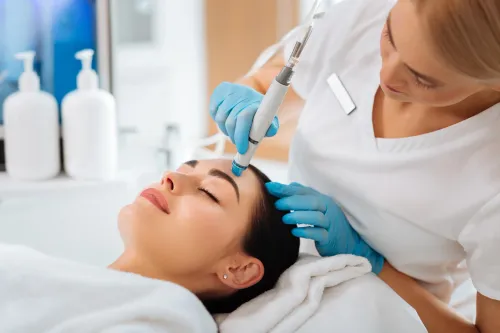
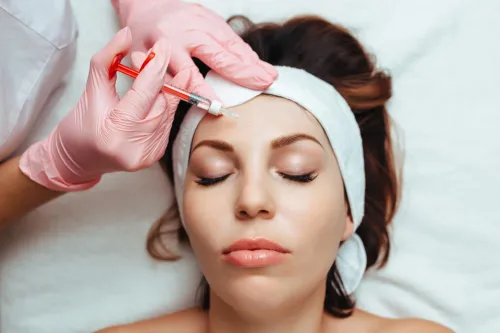
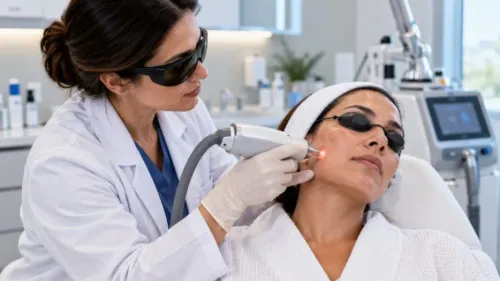
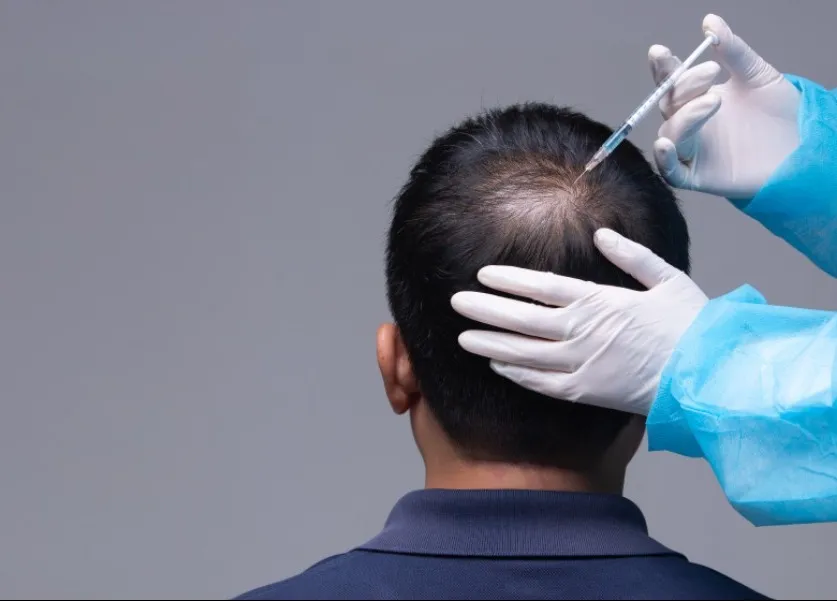
Procedure-based treatments may be considered for selected patients, but they should not replace diagnosis.
The suitability of PRP or other interventions depends on the type of hair loss, severity, health factors, and treatment objectives.
Patients should be cautious about packages promising identical results for every type of thinning.
How Long Does Hair Treatment Take?
Hair biology is slow.
Even when appropriate treatment is started, visible improvement may require time. The goal may initially be to reduce progression or excessive shedding before noticeable density changes become apparent.
Consistency and follow-up are therefore important.
Stopping treatment prematurely because dramatic growth is not visible within a few weeks can undermine an otherwise reasonable plan.
Everyday Practices That Support Hair Health
Alongside medical treatment where necessary:
- Avoid repeated tight hairstyles.
- Handle wet hair gently.
- Limit unnecessary heat and chemical damage.
- Eat a balanced diet.
- Avoid starting multiple supplements without a clear reason.
- Manage scalp conditions appropriately.
- Follow treatment consistently.
At Dr Rajshree Patil's dermatology practice, hair and scalp evaluation can help determine what may be contributing to ongoing hair loss before treatment options are considered.
For individuals in Baner, choosing hair-loss care based on the cause rather than the latest product trend provides a more rational starting point for protecting existing hair and planning longer-term management.
Keywords