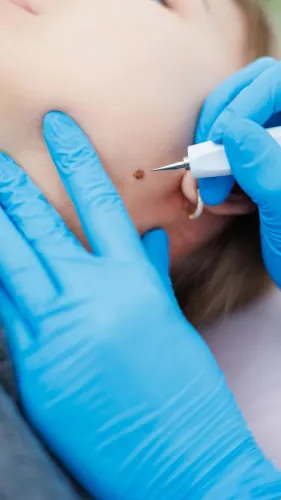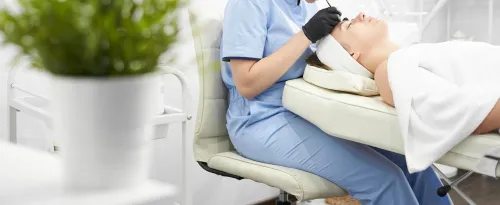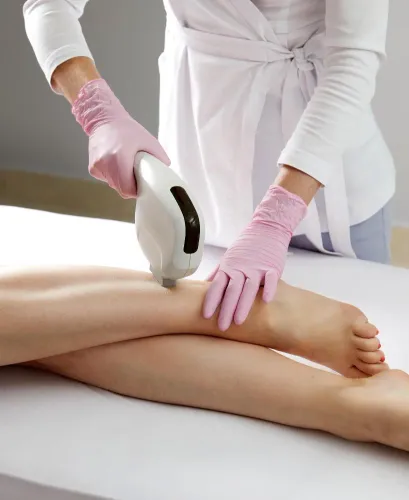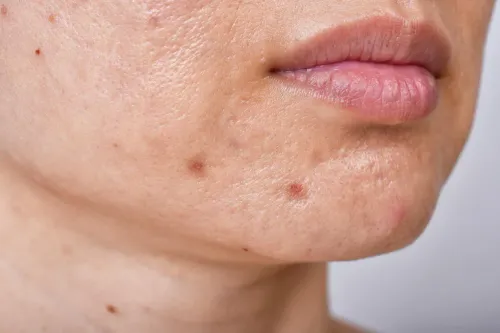
Finding a new growth on your skin can be concerning, especially when you are unsure whether it is a harmless mole, a wart, or something that requires medical attention. While many people initially try home remedies or simply ignore these skin changes, not every growth should be managed without professional evaluation. Visiting a Warts/Mole Removal Treatment Clinic in Sanghvi allows a dermatologist to accurately identify the condition and recommend the most appropriate treatment based on its characteristics.
Warts and moles are often confused because both appear as raised or flat skin lesions. However, they develop for different reasons. Warts are commonly caused by certain strains of the human papillomavirus (HPV) and may spread through skin-to-skin contact or contaminated surfaces. Moles, on the other hand, are collections of pigment-producing cells and are usually harmless, although some may require evaluation if they change over time.
Professional assessment is important because not every skin growth should be removed for cosmetic reasons alone. A dermatologist examines factors such as size, shape, colour, location, texture, and the patient's medical history before deciding whether removal is recommended.
Some situations where medical evaluation is advisable include:
- A mole that changes in size, colour, or shape
- A wart that continues to grow despite treatment
- Painful or bleeding skin growths
- Lesions that frequently become irritated due to clothing or shaving
- Multiple recurring warts
- Cosmetic concerns affecting confidence
One common misconception is that all moles are dangerous. In reality, most moles remain harmless throughout life. However, sudden changes should always be assessed because early diagnosis is an important part of skin health management.
Similarly, many over-the-counter wart treatments may work for selected cases but are not suitable for every individual or every body area. Applying strong chemical preparations without proper diagnosis can sometimes damage healthy surrounding skin or delay effective treatment.
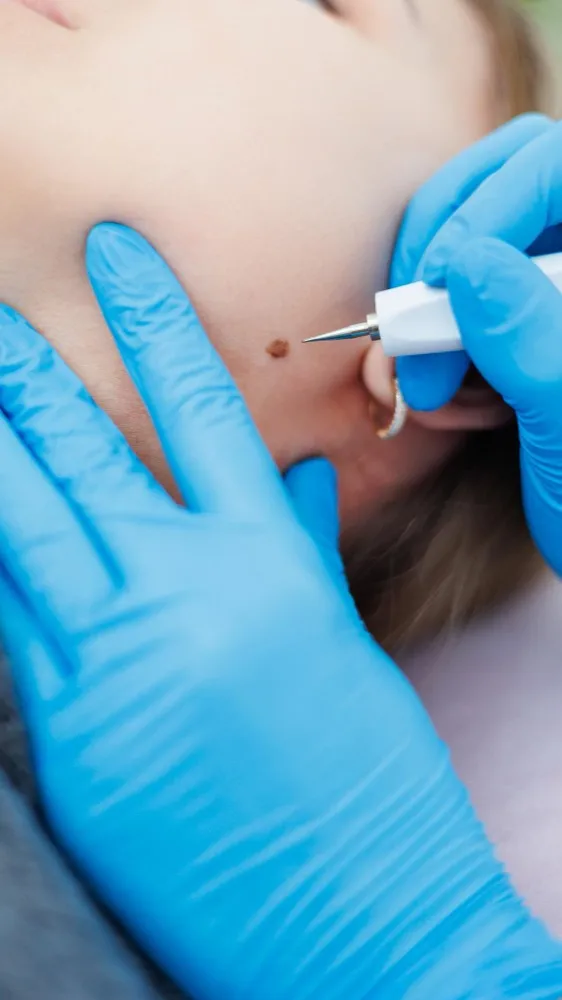
Depending on the diagnosis, a dermatologist may recommend different removal techniques. The choice depends on the type of lesion, its location, size, and whether laboratory examination is required after removal. The goal is always to remove the lesion safely while preserving healthy surrounding tissue as much as possible.
Patients often ask whether removal leaves a scar. The answer varies depending on the size of the lesion, the removal method, healing characteristics, and post-procedure care. Following aftercare instructions carefully helps support healthy healing.
General recommendations after removal may include:
- Keeping the treated area clean and dry.
- Avoiding unnecessary friction.
- Protecting healing skin from direct sunlight.
- Not picking at healing tissue.
- Attending follow-up appointments if advised.
Another important point is prevention. Although not all skin growths can be prevented, maintaining good skin hygiene, avoiding direct contact with visible warts, and regularly monitoring existing moles can support early detection of any unusual changes.
When selecting a Warts/Mole Removal Treatment Clinic in Sanghvi, patients should look for a dermatologist who performs a thorough clinical examination before recommending removal. Appropriate diagnosis ensures that treatment is based on medical need rather than assumptions, giving patients greater confidence in the care they receive.
Dr Rajshree Patil evaluates a wide range of skin growths through detailed dermatological assessment, helping patients understand the nature of their condition and the available treatment options while prioritizing safe, evidence-based skin care.
Keywords