Smooth, bright-looking skin is often associated with good skincare, but texture can be influenced by several factors. Dead surface cells, dryness, environmental exposure, acne, sun damage, and natural skin renewal all contribute to how the skin looks and feels.
People considering Skin Polishing in Pune often want to improve superficial dullness or roughness. Knowing the limitations of the procedure is just as important as understanding its potential benefits.
What Does Skin Polishing Mean?
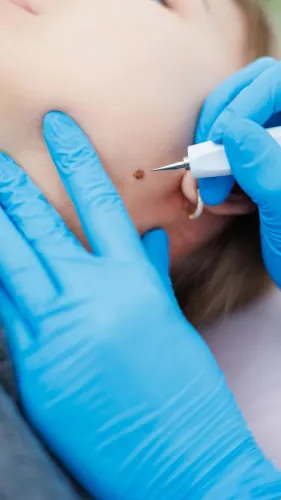
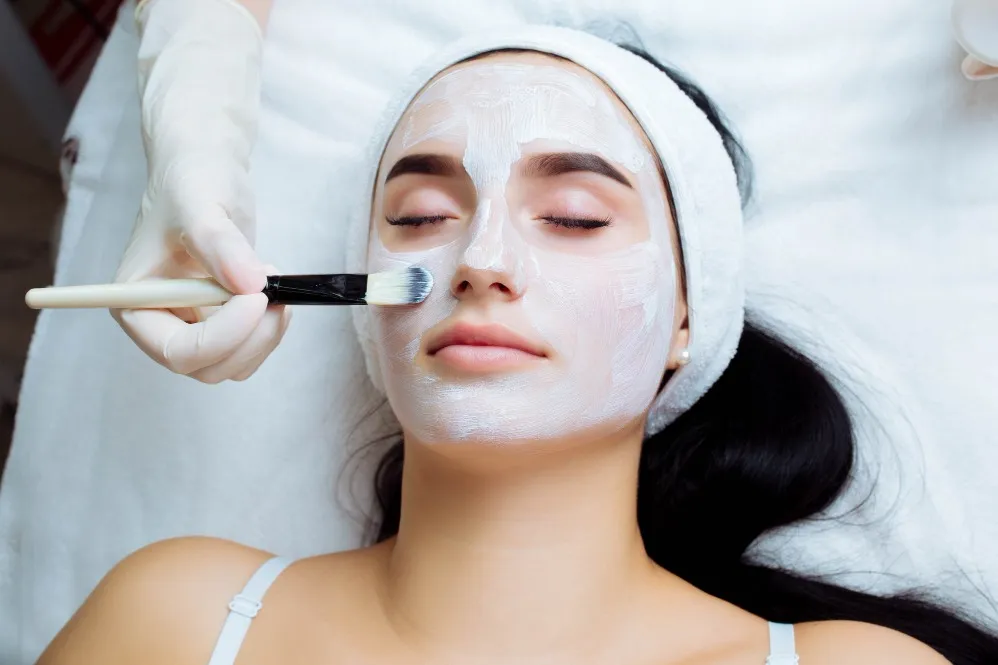
Skin polishing generally refers to a controlled exfoliating procedure designed to remove accumulated superficial dead skin cells and improve the feel and appearance of the skin surface.
Depending on the technique used, treatment may help the skin appear:
- Smoother
- Fresher
- Less dull
- More even at the surface
- Better prepared for selected skincare products
It should not, however, be confused with treatment for every form of pigmentation, acne scarring, or ageing.
Why Does Skin Become Rough or Dull?
Skin constantly renews itself.
Older cells are naturally shed from the surface while newer cells replace them. Several factors can interfere with how smooth this process appears.
Common contributors include:
- Dry weather
- Sun exposure
- Pollution
- Inadequate moisturising
- Excessive cleansing
- Inappropriate skincare
- Accumulation of dead surface cells
- Natural ageing
Pune's seasonal changes, outdoor exposure, and urban environment can also influence how skin behaves throughout the year.
What Can Skin Polishing Address?
The procedure is generally better suited to superficial concerns than deeper structural skin problems.
Someone with mild roughness may have a different treatment objective from someone with deep acne scars.
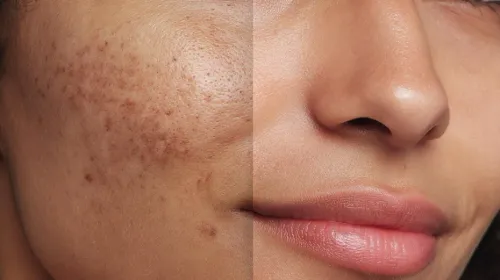
Likewise, a person with persistent pigmentation should first understand its cause. Melasma, post-inflammatory pigmentation, freckles, and tanning do not necessarily respond to the same treatment.
A dermatological assessment helps avoid expecting a surface procedure to correct a deeper problem.
Skin Polishing Is Not the Same as a Chemical Peel
These procedures are sometimes grouped together, but they work differently.
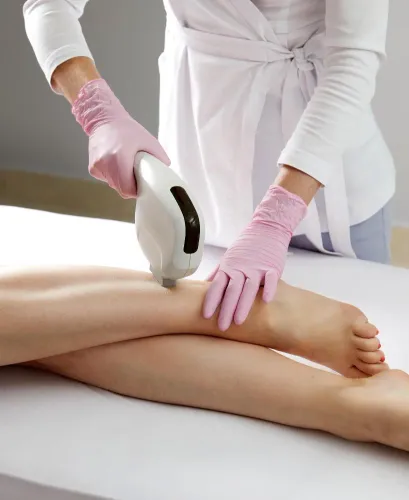
Skin polishing primarily focuses on controlled physical or device-assisted surface exfoliation, depending on the technique being used.
Chemical peels use selected chemical solutions to produce controlled exfoliation at a planned depth.
Neither is automatically better. The choice depends on the condition being treated.
What About Acne Scars?
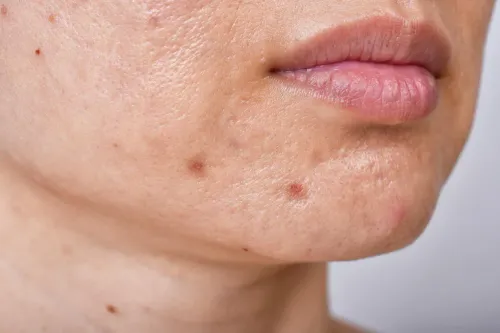
Deep acne scars involve structural changes within the skin.
Surface polishing alone generally cannot correct deeper depressions or significant scar architecture. These concerns may require other dermatological procedures selected according to scar type.
This is why diagnosis matters even for treatments commonly described as cosmetic.
How Should Skin Be Cared for Afterwards?
Freshly treated skin may temporarily be more sensitive.
Post-procedure advice can include:
- Gentle cleansing
- Regular moisturising
- Appropriate sunscreen
- Avoiding harsh scrubs
- Temporarily pausing selected active ingredients
- Avoiding unnecessary picking or rubbing
Exact instructions depend on the procedure and individual skin sensitivity.
Sun protection is particularly important because excessive ultraviolet exposure can contribute to tanning and pigmentation.
Can Skin Be Polished Frequently?
More exfoliation does not necessarily produce healthier skin.
Over-exfoliation may disrupt the skin barrier, causing dryness, burning, sensitivity, or redness.
Treatment frequency should therefore be based on skin type and need rather than a fixed beauty schedule.
People who already use retinoids, exfoliating acids, scrubs, or other active products should mention them before undergoing a procedure.
Choosing Skin Treatment Based on the Concern
Before booking skin polishing, identify the actual objective.
If the concern is superficial dullness, polishing may be considered. If there is persistent acne, pigmentation, scarring, redness, or another skin disorder, a different approach may be required.
At the dermatology practice of Dr Rajshree Patil, treatment planning can begin with assessment of the skin rather than selecting procedures solely by name.
For patients considering skin polishing in Pune, realistic expectations make a significant difference. Surface treatments can play a useful role in skincare, but healthy-looking skin is usually the result of appropriate treatment, consistent home care, sun protection, and avoiding unnecessary procedures.
Keywords