Dullness does not always mean that the skin is unhealthy. Dead surface cells, excess oil, dehydration, environmental exposure, and product buildup can all affect how smooth and fresh the skin appears.
For people exploring professional facial procedures, Hydrafacial Treatment in Baner is commonly considered when the goal is cleansing, exfoliation, hydration, and improvement in the overall appearance of the skin.
Understanding what the procedure can—and cannot—do helps set sensible expectations.
What Happens During a Hydrafacial?
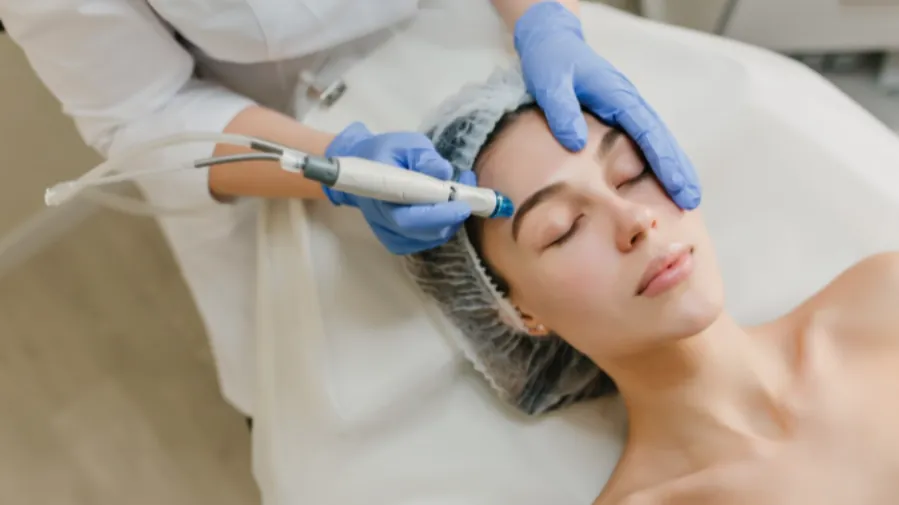
A Hydrafacial is a multi-step skin procedure performed using specialised equipment.
The exact protocol can vary according to the skin, but treatment commonly involves a combination of:
- Surface cleansing
- Exfoliation
- Removal of accumulated debris
- Hydration
- Application of selected skincare solutions
Rather than relying on aggressive manual extraction or harsh exfoliation, the procedure is intended to provide controlled skin cleansing and hydration.
Who Usually Considers This Treatment?
People may explore Hydrafacial treatment when they are concerned about:
- Dull-looking skin
- Surface roughness
- Mild congestion
- Dry or dehydrated appearance
- Excess surface oil
- Uneven-looking texture
- General skin maintenance
However, active dermatological problems should not simply be treated as cosmetic dullness.
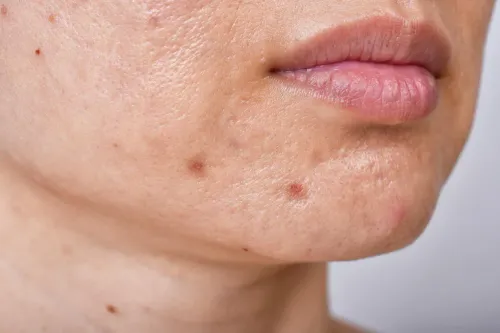
Persistent acne, rashes, unexplained redness, infections, or significant pigmentation may require dermatological diagnosis and a different treatment plan.
Hydration and Moisture Are Important
Skin can appear tired when its surface is dehydrated.
Environmental exposure, unsuitable cleansers, over-exfoliation, and inconsistent moisturising can affect the skin barrier.
A professionally planned facial may help improve the temporary appearance and feel of dehydrated skin, but long-term skin quality still depends heavily on daily care.
A basic routine often remains important:
- Gentle cleansing
- Suitable moisturising
- Consistent sun protection
- Avoiding unnecessary exfoliation
- Using active ingredients appropriately
Professional procedures work best as part of sensible skincare rather than as a replacement for it.
Hydrafacial Is Not a Treatment for Every Skin Problem
This distinction is particularly important.
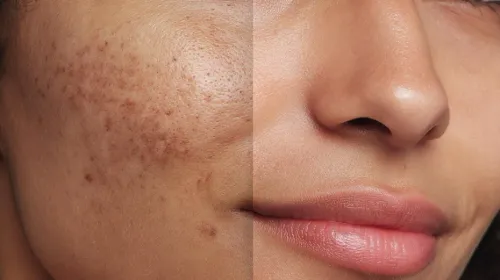
Someone with deep acne scars should not expect a cleansing and hydrating facial to remodel established scars. Similarly, persistent melasma or another pigmentation disorder may require a dedicated treatment approach.
The correct procedure depends on the diagnosis.
A dermatologist can help distinguish between a cosmetic surface concern and a medical skin condition that requires targeted treatment.
How Often Is It Needed?
There is no universal schedule.
Frequency can depend on:
- Skin type
- Existing skincare routine
- Sensitivity
- Treatment objective
- Other procedures being performed
- Dermatologist recommendations
More frequent treatment is not automatically better.
Excessive procedures or unnecessary exfoliation may irritate sensitive skin, so treatment intervals should be selected according to individual requirements.
Is There Downtime?
Hydrafacial procedures are generally selected partly because they can have relatively limited downtime for suitable candidates.
However, skin responses vary. Temporary redness or sensitivity may occur, particularly in reactive skin.
Patients should tell their dermatologist about active irritation, recent procedures, medications, allergies, and strong skincare products being used at home.
What Should You Ask Before Booking?
People considering treatment in Baner can ask:
- Is my current skin condition suitable?
- What steps will be included?
- Are extractions necessary?
- Which products will be applied?
- Should I stop any active skincare beforehand?
- What should I avoid after treatment?
- How frequently would treatment make sense for my skin?
These questions are more useful than choosing a facial solely from social-media photographs.
At Dr Rajshree Patil's dermatology and aesthetic practice, skin condition can be assessed before facial procedures are recommended.
Hydrafacial treatment can be useful for appropriate cosmetic concerns, particularly when cleansing and hydration are the main objectives. But good skin care still begins with understanding what the skin actually needs rather than automatically choosing the most popular procedure.
Keywords