Skin concerns such as uneven tone, acne marks, pigmentation, visible pores, unwanted hair, and early signs of ageing can affect people differently. While topical skincare may help with mild concerns, some conditions require treatments that work at specific depths of the skin. This is where consulting a Laser Skin Treatment Clinic in Aundh can help patients understand whether laser-based care is appropriate for their particular concern.
Laser dermatology is not a single treatment. Different technologies are designed for different skin conditions, which is why proper assessment is important before deciding on a procedure.
What Is Laser Skin Treatment?
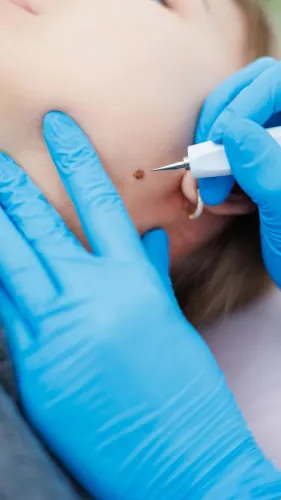
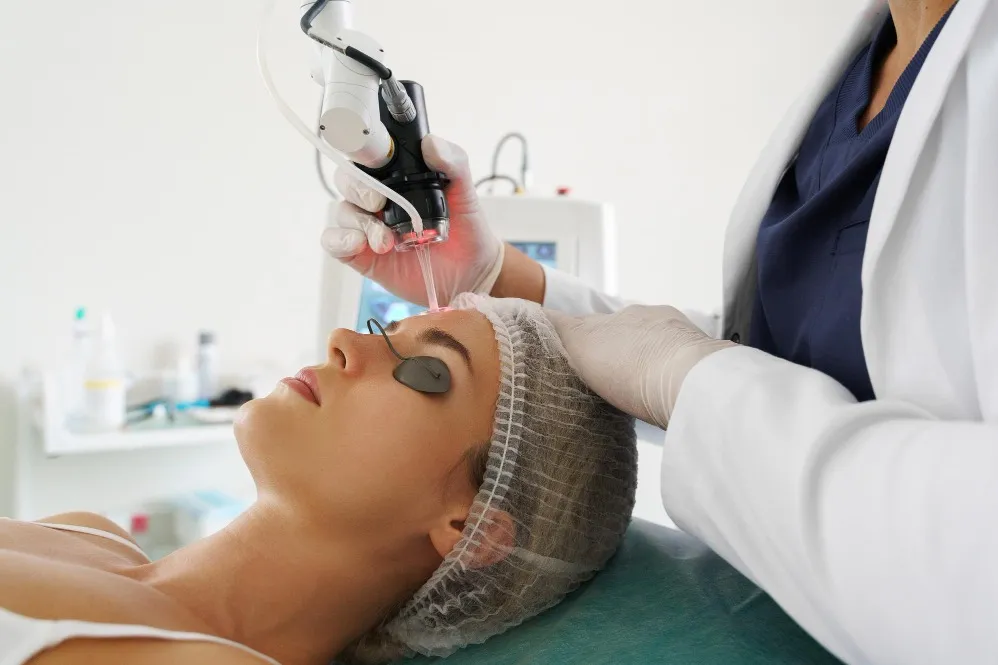
Laser skin treatment uses controlled light energy to target selected structures within the skin. Depending on the technology and treatment objective, the energy may target pigment, hair follicles, damaged skin layers, or other specific areas.
The surrounding tissue is protected as much as possible while the intended area receives controlled treatment.
Dermatologists may consider laser procedures for concerns including:
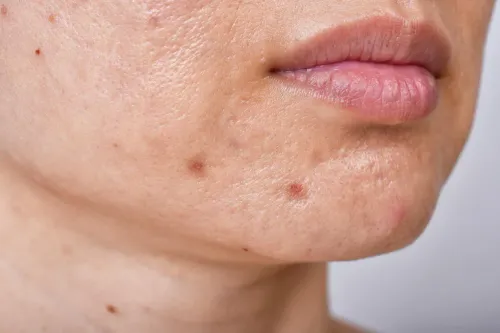
- Acne scars
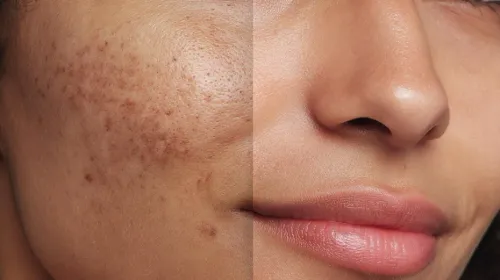
- Uneven pigmentation
- Sun-related skin changes
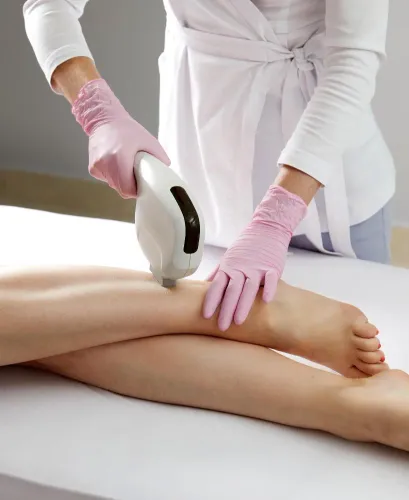
- Unwanted facial or body hair
- Certain superficial marks
- Uneven skin texture
- Selected signs of ageing
Not every laser is suitable for every condition or skin type.
Why Skin Assessment Comes First
One of the most important parts of laser treatment happens before the device is used.
A dermatologist may assess:
- Skin type and sensitivity
- Nature of the concern
- Depth of pigmentation or scarring
- Previous treatments
- Current skincare products
- History of abnormal scarring
- Recent sun exposure
- Medications
- Expected treatment outcome
This assessment helps determine whether laser treatment is appropriate and which technology may be considered.
People seeking treatment in Aundh should avoid choosing a procedure simply because a particular laser is popular. The underlying skin concern should guide treatment selection.
Different Lasers Have Different Purposes
The term laser treatment covers multiple technologies.
Some devices primarily target pigment, while others are designed for hair reduction or resurfacing. Certain treatments work by creating controlled effects within the skin to encourage renewal over time.
This is why two people with apparently similar concerns may receive different treatment recommendations.
For example, post-acne marks and deeper acne scars are not necessarily treated in the same way. Similarly, superficial pigmentation may require a different approach from pigmentation influenced by hormonal or inflammatory factors.
Does Laser Treatment Give Immediate Results?
Results depend on what is being treated.
Some patients notice gradual changes after treatment, while other conditions may require a planned series of sessions. Skin response, treatment intensity, technology used, and the severity of the concern can all influence the outcome.
Laser treatment should therefore be viewed as a clinical process rather than an instant cosmetic fix.
What Does the Procedure Usually Feel Like?
The experience varies according to the device and treatment area.
Patients may experience warmth, mild stinging, or temporary sensitivity. Some procedures require topical numbing before treatment.
Temporary redness or mild swelling can occur with certain laser procedures. Recovery requirements also vary significantly between treatments.
A dermatologist should explain expected downtime before beginning the procedure.
Why Sun Protection Matters
Sun exposure can influence both treatment planning and recovery.
Patients may be advised to use appropriate sunscreen, limit unnecessary direct sun exposure, and follow specific post-procedure skincare instructions.
Ignoring these precautions may increase the possibility of irritation or unwanted pigmentation changes in susceptible skin.
Questions Worth Asking Before Treatment
Before proceeding, patients can ask:
- Which laser technology is being recommended?
- Why is it suitable for my skin concern?
- How many sessions may be required?
- What downtime should I expect?
- What side effects are possible?
- What skincare should I follow afterward?
- When can normal activities be resumed?
Clear answers help patients develop realistic expectations.
At the practice of Dr Rajshree Patil, individuals considering laser-based dermatological care can undergo assessment before an appropriate treatment approach is discussed.
For people in Aundh, the most important step is not choosing a laser by name. It is identifying the skin concern correctly and determining whether laser treatment is genuinely suitable for it.
Keywords