Skin gradually changes with age. Collagen production declines, elasticity changes, and areas that once appeared firm may begin to look looser. Sun exposure, weight changes, genetics, and lifestyle can influence how quickly these changes become noticeable.
For someone considering Skin Tightening Treatment in Aundh, the important question is not simply which procedure is newest. It is which approach is appropriate for the degree and location of skin laxity.
Why Does Skin Lose Firmness?
Collagen and elastin contribute to skin structure and resilience.
Ageing gradually alters these supportive components. Repeated ultraviolet exposure can accelerate visible changes, while significant fluctuations in weight may also affect skin laxity.
Common areas of concern include:
- Jawline
- Lower face
- Neck
- Cheeks
- Selected body areas
The degree of laxity can range from very mild to significant, and this influences what non-surgical procedures can realistically achieve.
Non-Surgical Treatment Has Limits
This is one of the most important expectations to establish.
Energy-based or minimally invasive skin-tightening procedures may improve selected mild or moderate concerns, depending on the technology and individual response.
They do not necessarily reproduce the changes possible with surgery when substantial loose skin is present.
A good consultation should therefore focus on realistic improvement rather than dramatic promises.
How Do Skin-Tightening Technologies Differ?
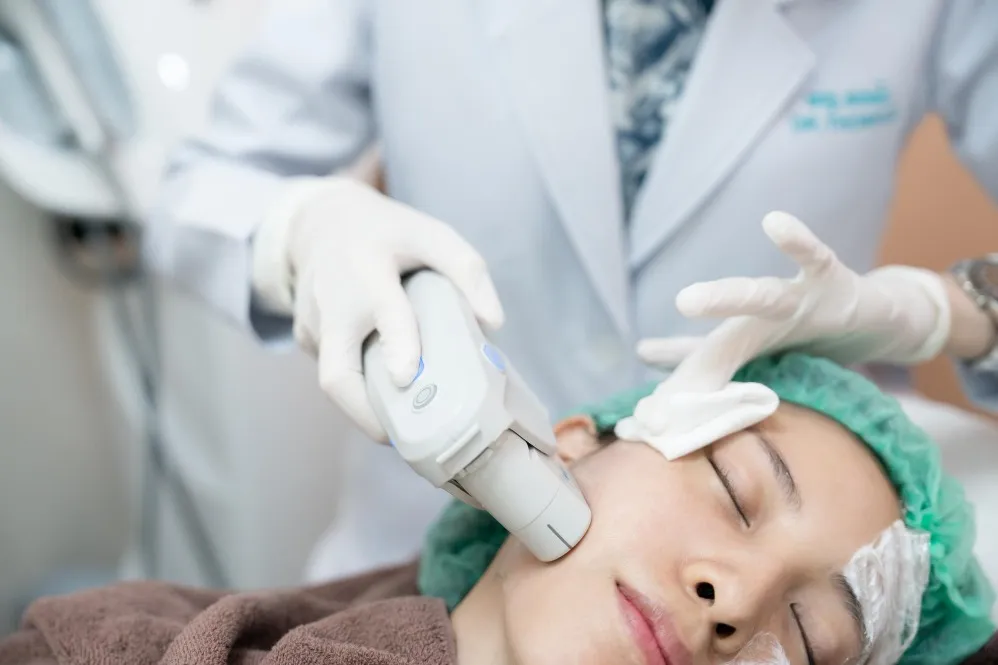
Different technologies deliver energy in different ways and at different tissue depths.
Depending on the device, treatment may use modalities such as radiofrequency, ultrasound, or other energy-based approaches.
The appropriate choice can depend on:
- Treatment area
- Skin thickness
- Degree of laxity
- Skin condition
- Previous procedures
- Desired outcome
- Acceptable downtime
This makes assessment more important than selecting a device because it is trending online.
Immediate Effect Versus Gradual Change
Patients sometimes expect to leave a clinic with the final result.
However, some tightening procedures are intended to stimulate gradual tissue responses. Changes may therefore develop over time rather than appearing immediately.
Patients should ask when results are typically evaluated and whether repeat sessions are commonly considered for the recommended procedure.
Who May Not Be an Ideal Candidate?
Suitability depends on the specific technology.
Certain medical conditions, active skin problems, pregnancy, implanted devices, medications, or previous treatments may influence whether a procedure is appropriate.
A complete medical and procedural history should be discussed beforehand.
What Should You Compare Between Treatment Options?
When evaluating procedures, compare more than price.
Consider:
- Technology being used
- Intended treatment depth
- Suitability for your concern
- Number of anticipated sessions
- Expected downtime
- Possible adverse effects
- Maintenance requirements
- Realistic degree of improvement
A cheaper procedure that does not match the concern may offer little value, while an unnecessarily aggressive procedure can introduce avoidable risks.
Does Skincare Still Matter?
Yes.
Professional tightening procedures do not eliminate the need for daily skin protection.
Regular sunscreen can help reduce further ultraviolet-related skin damage. Suitable moisturisers support the skin barrier, while dermatologist-recommended active ingredients may complement an overall ageing-skin plan.
Lifestyle factors such as smoking and excessive sun exposure can also influence skin ageing.
How to Prepare for a Consultation
Take note of what specifically bothers you.
Rather than saying, I want tighter skin, identify whether the concern is the jawline, cheeks, neck, or another area. Mention previous procedures and what you liked or disliked about their results.
At Dr Rajshree Patil's dermatology and aesthetic practice, patients can discuss skin laxity and the suitability of available treatment approaches after clinical assessment.
For people in Aundh comparing skin-tightening procedures, treatment selection should be based on anatomy, degree of laxity, safety, and achievable results—not simply on the popularity of a particular technology.
Keywords