Chemical peels and salon facials are sometimes discussed as though they perform the same function. In reality, their objectives and mechanisms can be quite different.
Someone exploring Chemical Peeling Treatment in Sanghvi may be trying to address acne, uneven tone, superficial pigmentation, rough texture, or dullness. Understanding how a medically selected peel differs from routine facial care can make treatment decisions easier.
What Is a Chemical Peel?
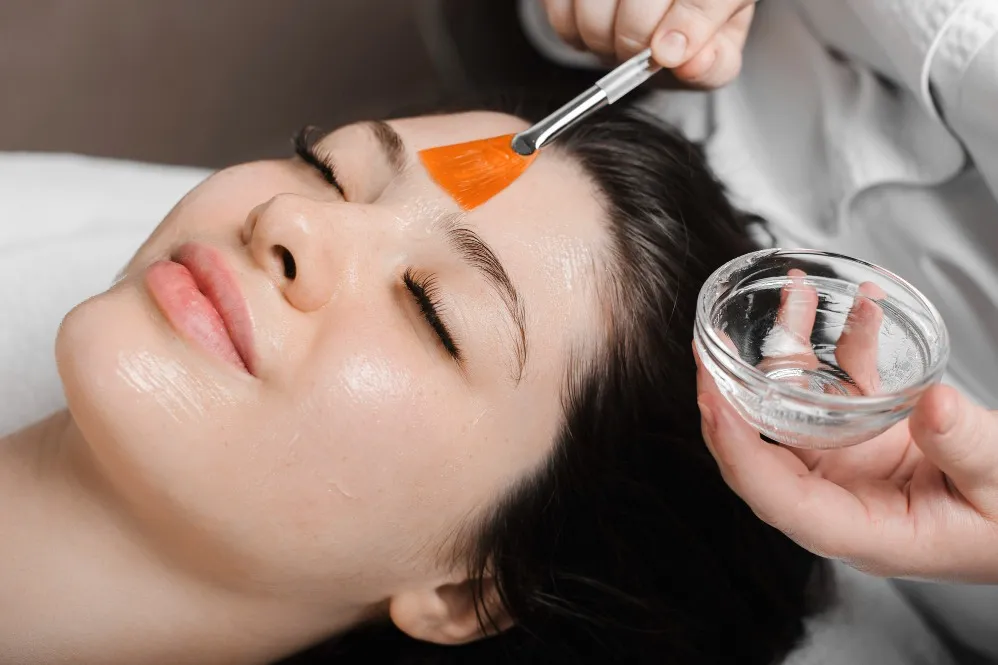
A chemical peel involves applying a selected chemical agent to the skin for controlled exfoliation.
Different peeling agents work at different depths and may be chosen according to the condition being treated.
Depending on the patient's skin and the peel selected, dermatologists may consider chemical peeling as part of treatment for concerns such as:
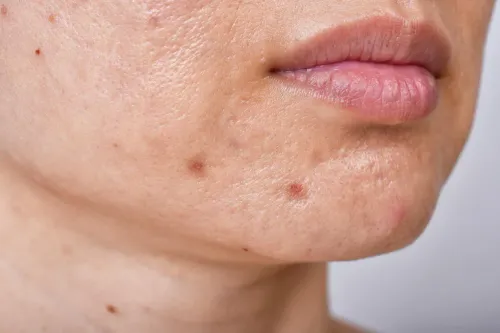
- Selected forms of acne
- Post-acne marks
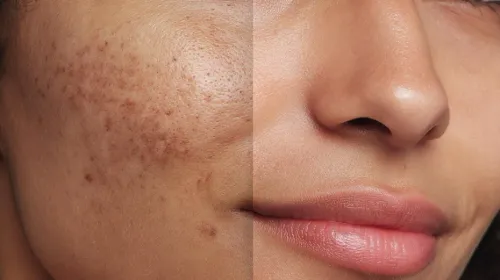
- Superficial pigmentation
- Uneven-looking tone
- Rough texture
- Dullness
A peel should be selected according to the skin problem rather than simply choosing the strongest available option.
How Is a Facial Different?
A conventional facial usually focuses more on cleansing, massage, hydration, extraction, or temporary improvement in the appearance and feel of the skin.
Chemical peeling is a controlled exfoliating procedure selected according to a specific treatment objective.
That distinction matters.
Someone seeking relaxation and temporary hydration has a different goal from someone trying to manage recurrent acne or pigmentation.
Are Stronger Peels Better?
No.
Peel strength should match the patient's skin type, concern, and tolerance.
An unnecessarily aggressive peel can cause excessive irritation and may increase the risk of complications such as prolonged redness or pigmentation changes.
Controlled treatment is more important than maximum intensity.
Why Pigmentation Needs Careful Evaluation
Dark patches can have many causes.
For example, pigmentation may develop after acne or inflammation, while other patterns may be related to sun exposure or conditions such as melasma.
These concerns do not necessarily respond identically.
If the underlying pigmentation tendency remains active, a peel alone may not provide adequate management.
Dermatologists may therefore combine procedures with sun protection, topical treatment, and long-term skincare where appropriate.
What About Acne?
Selected chemical peels may form one part of an acne treatment plan.
However, recurrent or inflammatory acne may require medical management as well. Treating only surface marks while new acne continues to develop may lead to repeated pigmentation and scarring.
Controlling active acne is therefore often an important priority.
What Should Be Avoided Before a Peel?
Pre-treatment instructions depend on the peel.
Patients should tell the dermatologist about:
- Retinoid use
- Exfoliating acids
- Recent waxing
- Other facial procedures
- Active infections
- History of sensitivity
- Current medications
- Previous reactions to peels
Certain products may need to be paused temporarily, but this should be done according to professional instructions.
What Happens Afterwards?
Temporary tightness, dryness, redness, or peeling may occur depending on the procedure.
Aftercare may include:
- Gentle cleansing
- Moisturising
- Consistent sunscreen
- Avoiding picking at peeling skin
- Temporarily stopping irritating actives
- Following prescribed skincare
Pulling or scrubbing peeling skin can increase irritation.
How Should You Evaluate a Peel Treatment?
Ask what is being used and why.
A useful consultation should explain:
- The peeling agent
- Treatment objective
- Expected recovery
- Number of sessions that may be considered
- Possible side effects
- Post-treatment skincare
At the practice of Dr Rajshree Patil, patients considering peels can have their skin concern assessed before the type and strength of treatment are selected.
For people in Sanghvi, the key difference between chemical peeling and an ordinary facial is purpose. A medically selected peel should be chosen to address a defined skin concern, while routine facial care generally focuses more on temporary cleansing, hydration, and cosmetic maintenance.
Keywords