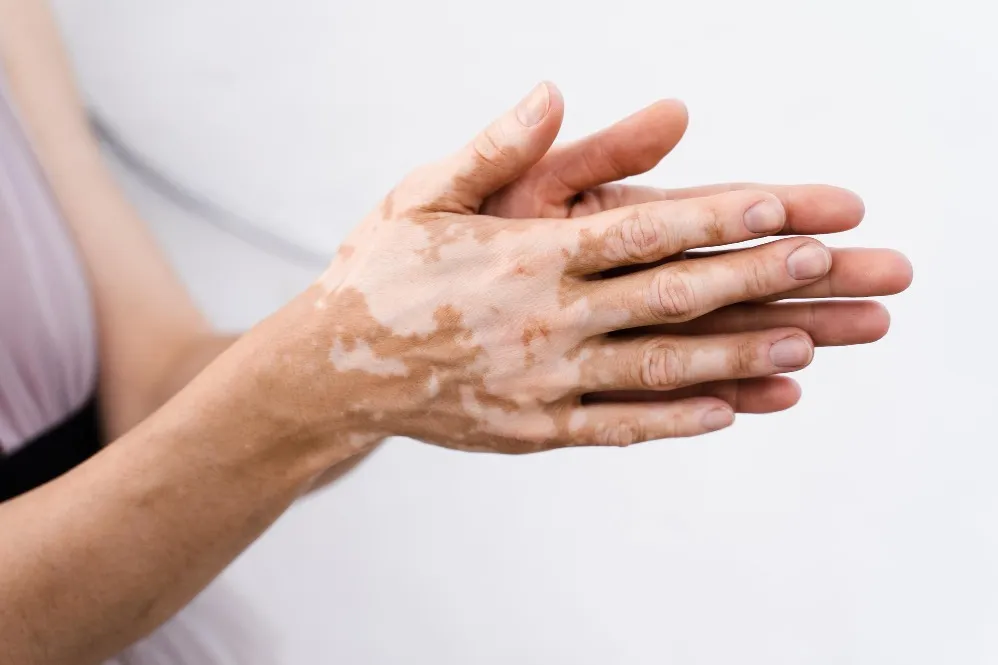
Vitiligo is a long-term skin condition that causes the development of white patches due to the loss of pigment-producing cells called melanocytes. Although the condition is not contagious or physically painful in most cases, it can have a significant emotional and psychological impact. People searching for Vitiligo Treatment in Sanghvi often have many questions about why it occurs, whether it spreads, and what treatment options may be available.
Vitiligo can affect people of any age and skin type. The patches may appear gradually or suddenly and can develop anywhere on the body, including the face, hands, feet, scalp, and around body openings. Hair growing within affected areas may also lose its colour over time.
The exact cause of vitiligo is not fully understood, but current research suggests that it involves an autoimmune process in which the body's immune system mistakenly attacks pigment-producing cells. Genetic factors and certain environmental triggers may also contribute to its development in some individuals.
Common features of vitiligo include:
- Clearly defined white patches
- Symmetrical or asymmetrical distribution
- Progressive enlargement of patches in some individuals
- Premature whitening of hair in affected areas
- Variable rate of progression
One important misconception is that vitiligo is infectious. It cannot spread through physical contact, sharing personal items, or living with someone who has the condition. Understanding this fact helps reduce unnecessary social stigma associated with the disorder.
Diagnosis usually involves a clinical examination by a dermatologist. In some cases, additional evaluation may be recommended to confirm the diagnosis or assess associated autoimmune conditions when clinically indicated.
Treatment recommendations depend on several factors, including:
- The extent of skin involvement
- Rate of progression
- Location of affected areas
- Patient age
- Previous treatment history
- Overall health
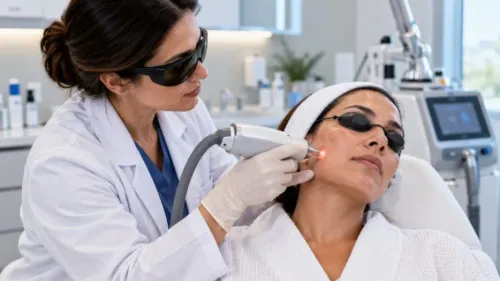
Because every patient experiences vitiligo differently, treatment plans are highly individualized. Some patients may respond well to topical medications, while others may benefit from light-based therapies or other dermatological interventions. The dermatologist discusses the most suitable options after carefully evaluating the condition.
Patients often ask whether vitiligo can be completely cured. Since the condition behaves differently from one individual to another, treatment primarily aims to manage disease activity, encourage repigmentation where possible, and support long-term skin health. The response varies considerably between patients.
In addition to medical care, daily skin protection is important because depigmented skin has reduced natural protection from ultraviolet radiation.
Helpful skin care measures include:
- Applying sunscreen every day.
- Protecting exposed skin from excessive sunlight.
- Keeping the skin moisturized.
- Avoiding unnecessary skin trauma where possible.
- Attending regular dermatology follow-up appointments.
Emotional well-being is another important aspect of vitiligo management. Open communication with healthcare professionals, family members, and support networks can help individuals cope with the psychological effects that sometimes accompany visible skin changes.
For those considering Vitiligo Treatment in Sanghvi, early dermatological evaluation provides the opportunity to understand the condition, discuss appropriate treatment options, and establish realistic expectations based on current clinical evidence.
Dr Rajshree Patil offers comprehensive dermatology consultations for individuals with vitiligo, focusing on accurate diagnosis, personalized treatment planning, patient education, and long-term skin care tailored to each individual's unique clinical presentation.
Keywords