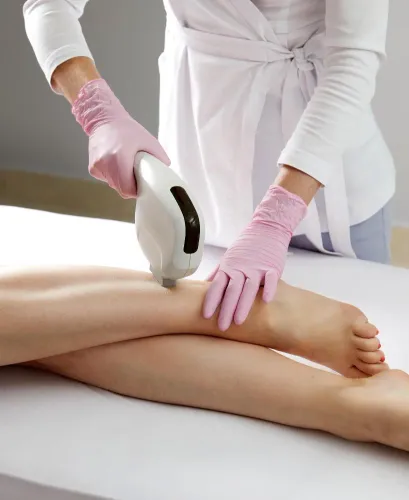
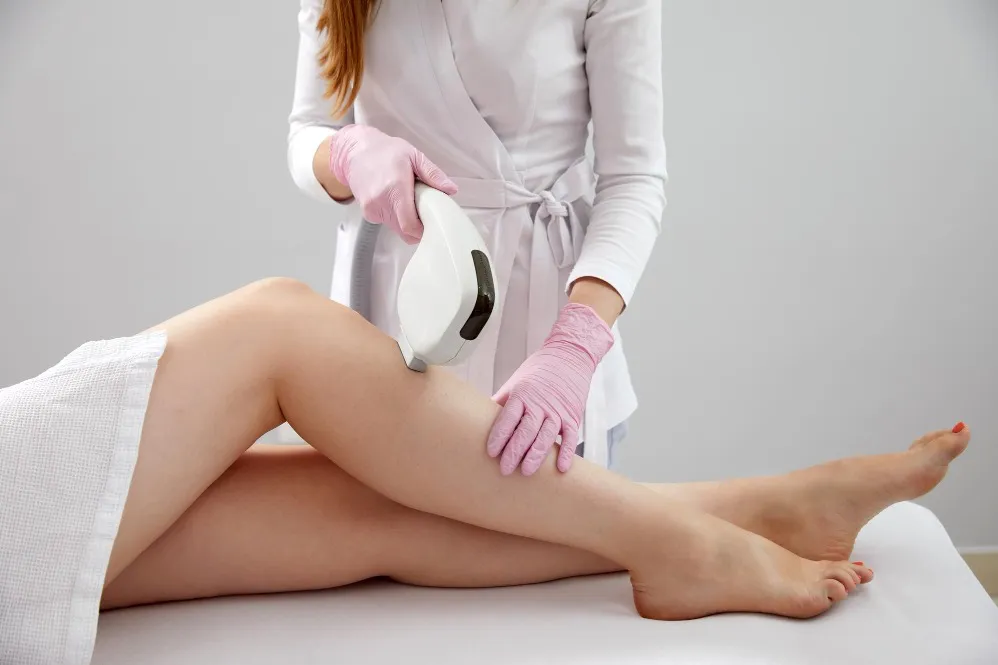
Shaving, waxing, threading, and depilatory creams have long been part of regular grooming routines, but many people eventually look for a more convenient long-term solution. This growing interest has made Laser Hair Removal in Pune one of the most frequently requested cosmetic dermatology procedures. Before deciding on treatment, it is useful to understand how the procedure works, who may benefit from it, and what realistic expectations should be.
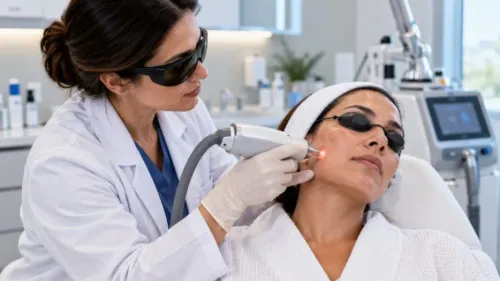
Laser hair removal works by directing controlled light energy toward the pigment within the hair follicle. The absorbed energy helps reduce future hair growth while minimizing effects on the surrounding skin. Because the laser targets pigment in actively growing hairs, multiple treatment sessions are usually necessary to achieve gradual and consistent reduction.
Many individuals consider laser hair removal for areas such as:
- Face
- Underarms
- Arms
- Legs
- Back
- Chest
- Bikini area
A common misconception is that one session permanently removes all unwanted hair. Hair grows in different cycles, and only follicles in the active growth phase respond effectively during each treatment. For this reason, dermatologists usually recommend a series of sessions scheduled at appropriate intervals.
Before starting treatment, the dermatologist evaluates several factors, including skin type, hair colour, hair thickness, hormonal influences, previous hair removal methods, and medical history. This assessment helps determine whether laser treatment is suitable and allows the procedure to be customized for the individual's needs.
Preparation before the appointment also plays an important role. Patients are generally advised to:
- Avoid excessive sun exposure before treatment.
- Refrain from waxing or plucking for several weeks beforehand.
- Shave the treatment area if instructed.
- Inform the dermatologist about medications or recent skin treatments.
During the session, patients may feel mild warmth or a snapping sensation as the laser pulses are delivered. The level of discomfort varies depending on the treatment area, individual sensitivity, and the laser technology being used. Modern systems often include cooling features that help improve comfort during the procedure.
After treatment, temporary redness or mild sensitivity may occur, but these effects usually settle within a short period. Following post-treatment instructions helps support normal healing and reduces the likelihood of irritation.
Important aftercare typically includes:
- Applying sunscreen to exposed treated areas.
- Avoiding hot showers and excessive heat for a short period if advised.
- Using gentle skincare products.
- Avoiding unnecessary friction on the treated skin.
- Following the recommended treatment schedule.
Laser hair removal is most effective when patients maintain realistic expectations. The objective is usually long-term hair reduction rather than the complete elimination of every hair. Hormonal changes, genetics, and individual biological differences may influence treatment outcomes over time.
When considering Laser Hair Removal in Pune, selecting a qualified dermatologist ensures that skin type, hair characteristics, and medical history are properly evaluated before beginning treatment. Personalized planning contributes to both treatment safety and patient satisfaction.
Dr Rajshree Patil offers individualized consultations for laser hair removal, helping patients understand the procedure, expected outcomes, and appropriate treatment plans while emphasizing safe dermatological practices and informed decision-making.
10.Acne Scar Treatment in Aundh What Are Your Options for Smoother Skin?
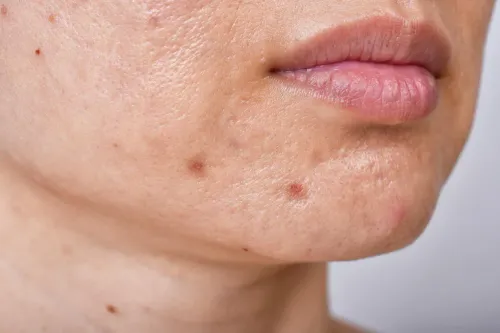
Acne may eventually clear, but for many people, the marks it leaves behind can remain a long-term concern. Acne scars often affect skin texture rather than just skin colour, making them difficult to improve with home remedies or cosmetic products alone. If you are considering Acne Scar Treatment in Aundh, understanding the different treatment approaches can help you make informed decisions about your skin.
Acne scars develop when inflammation damages the deeper layers of the skin during the healing process. The severity of scarring depends on several factors, including the type of acne, how long it remained untreated, individual healing patterns, and whether pimples were repeatedly squeezed or picked.
Not all acne scars are the same. Dermatologists usually classify them into different categories because each type responds differently to treatment.
Common types include:
- Ice pick scars
- Boxcar scars
- Rolling scars
- Post-inflammatory pigmentation
- Mixed acne scars
The first step in treatment is a detailed skin assessment. A dermatologist examines the type, depth, and distribution of scars before recommending a suitable treatment plan. Since every patient's skin is different, no single procedure works equally well for everyone.
Many people assume that one treatment session can completely remove acne scars. In reality, scar improvement is usually gradual and often involves multiple sessions. The goal is generally to soften the appearance of scars, improve skin texture, and create a smoother overall complexion rather than completely erase every scar.
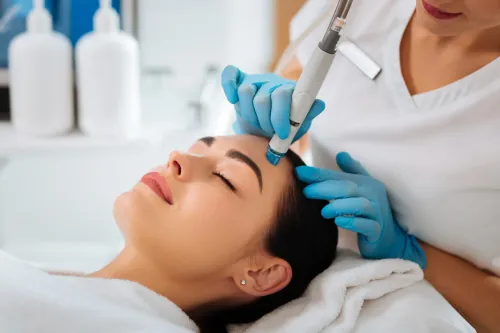
Depending on clinical findings, a dermatologist may recommend one or a combination of treatment options. These may include skin resurfacing procedures, microneedling-based techniques, laser treatments, chemical peels, subcision, or other evidence-based dermatological procedures. The selection depends on the scar type rather than patient preference alone.
During consultation, several factors are evaluated, including:
- Current acne activity
- Skin type
- Previous treatments
- Medical history
- Lifestyle habits
- Sun exposure
Active acne often needs to be controlled before scar treatment begins. Treating scars while new acne continues to develop may reduce the overall effectiveness of cosmetic procedures.
Patients also play an important role in the treatment outcome. Good skincare habits support healing and help maintain results between sessions.
Dermatologists commonly recommend:
- Daily use of broad-spectrum sunscreen.
- Avoiding picking or squeezing pimples.
- Following a consistent skincare routine.
- Using prescribed medications regularly.
- Attending scheduled follow-up visits.
Another common question is whether acne scar treatment is suitable for all age groups. While many adults seek treatment years after acne has resolved, younger individuals may also benefit once active breakouts are adequately controlled. A professional evaluation helps determine the appropriate timing.
It is equally important to set realistic expectations. Acne scars usually improve progressively rather than overnight. Visible improvement depends on scar severity, skin healing response, and adherence to the recommended treatment plan.
When exploring Acne Scar Treatment in Aundh, choosing a dermatologist who creates an individualized treatment strategy is essential. Personalized care ensures that each procedure addresses the specific characteristics of the scars instead of applying a standard approach to every patient.
Dr Rajshree Patil evaluates acne scars through detailed clinical assessment and recommends evidence-based treatment plans tailored to individual skin needs, helping patients understand available options while focusing on gradual, natural-looking improvement and long-term skin health.
Keywords